
Why your virtual card is not working
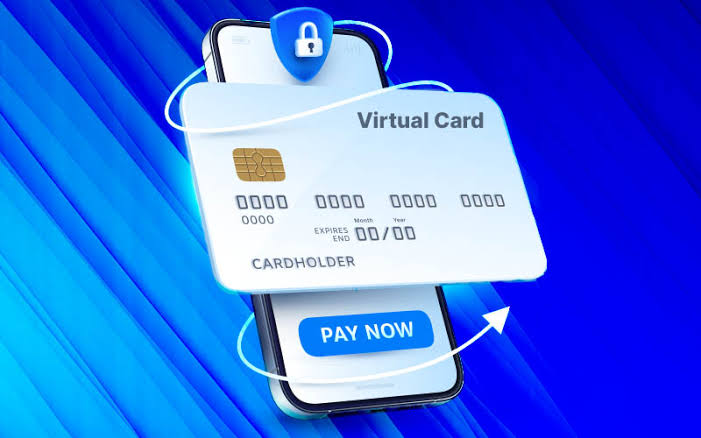

Virtual cards have become an essential part of modern digital banking in Nigeria. From paying for international subscriptions like Netflix, Spotify, Canva to shopping on global platforms such as Amazon, AliExpress, and Shopify, many Nigerians now rely heavily on virtual cards to bypass the limitations of traditional debit cards. Fintech platforms like Kuda, Opay, PalmPay, ALAT, Chipper, Barter, and Grey have made virtual cards easily accessible, often promising instant creation and seamless online payments.
However, despite their convenience, a growing number of users frequently complain that their virtual card is not working — payments fail, subscriptions decline, or online merchants reject the card without a clear explanation. For many Nigerians, this can be frustrating, especially when funds are available and the card appears active in the app.
The truth is that virtual card failures are rarely random. In most cases, they are caused by funding issues, platform restrictions, security controls, regulatory challenges, or merchant limitations that many users are unaware of. Because virtual cards operate differently from physical debit cards, they are also more sensitive to system checks, exchange rate changes, and backend provider issues.
This article explains, in clear and practical terms, why your virtual card is not working in Nigeria, what causes these failures, and what you can do to fix them. Whether you use a naira virtual card or a dollar virtual card, understanding these issues will help you avoid repeated payment declines and unnecessary stress.
Insufficient Funds or Incorrect Funding
One of the most common reasons your virtual card won’t work is simply because it doesn’t have enough money for the specific transaction you’re trying to make. Whether you’re paying for an international service or a subscription in dollars or naira, ensure that the balance on your card is sufficient. Most virtual cards are pre-funded, meaning they won’t authorize payments if the funds are too low. Additionally, if you’re trying to use a dollar card but only funded it in naira (or vice versa), a currency mismatch can cause the payment to be declined — especially on subscription services that bill in foreign currency.
Temporary Service Outages & Updates
Sometimes the issue isn’t on your end at all. Nigerian fintech companies occasionally pause or disable virtual card services due to system maintenance, updates, or broader service upgrades — as we saw with platforms like Kuda Bank disabling virtual cards for system improvements.
Other platforms, such as Rise and Bitmama, have also suspended or paused virtual card services due to issues with third-party providers or fluctuating exchange rates affecting transaction stability. When these things happen, your card might still show in your wallet or app, but it won’t successfully process payments until the service is restored.
Technical or Network Glitches
Virtual cards depend entirely on digital infrastructures — network connections, API integrations, and backend servers. This means that sometimes:
- Poor internet connectivity can interrupt communication between your card provider and the merchant
- Technical glitches on the issuer’s platform can prevent successful authorization
- App update issues (like outdated app versions or corrupted app data) can interfere with card creation or use.
Your Card Was Not Activated Properly
Unlike a physical bank card that generally activates after a specific action (like using an ATM), virtual cards often require manual activation inside your banking or fintech app. If you skipped that step or didn’t complete the activation, the card won’t be valid for transactions — even if it appears in your wallet. This is a common issue with virtual naira cards like ALAT by Wema.
Security Restrictions or Fraud Prevention
Financial apps have built-in security systems that freeze or block cards when suspicious activity is detected. If the system believes your card details might have been compromised or used irregularly, the issuer may automatically deactivate it to protect your funds — without warning. In such cases, you’ll need to verify your identity or contact customer support to restore access.
Merchant or Payment Gateway Limitations
Not all online merchants and payment gateways accept virtual cards. Some Nigerian users report that major stores, subscription platforms, or payment portals may decline virtual cards simply because of incompatibility with their processing system. This especially happens when using dollar virtual cards for naira transactions or vice versa.
Regulatory & Exchange Rate Issues
Nigeria’s financial environment is highly regulated, and exchange rate fluctuations or Central Bank of Nigeria (CBN) policies can directly affect the availability and operation of virtual cards especially virtual dollar cards. Many fintech startups have either paused or limited their card services due to regulatory compliance needs or exchange challenges.
This means that even if your specific card is funded and activated, broader regulatory factors can still impact its functionality.
Provider or Partnership Problems
Some virtual cards are issued through partnerships between Nigerian fintechs and foreign payment networks (like Visa or Mastercard). If the third-party partner has issues, the fintech provider may pause issuance until the problem is resolved. Recent cases with companies like union54 demonstrate how these technical partnerships directly affect card usability.
Practical Solution on How to Fix
Check Your Card Balance: Make sure you have enough funds in the right currency before attempting payment.
Update Your App: Ensure your fintech or bank app is updated to the latest version to avoid compatibility issues.
Re-Activate or Re-Generate the Card: Try deleting the card and generating a new one. This often fixes issues caused by corrupted card data.
Contact Customer Support: If your card is blocked, frozen, or not working due to technical reasons, support can often resolve the issue more quickly.
Switch Payment Type: If a merchant doesn’t accept your virtual card, try a different card or payment method.
Watch Out for FX Limits: Especially with dollar cards, ensure you understand exchange rate implications and CBN limits that may affect international use.
USSD Transfer Failed but Money Deducted
When a virtual card stops working in Nigeria, the cause is usually traceable to funding issues, security checks, service interruptions, merchant restrictions, or regulatory challenges. Understanding how these factors affect virtual card transactions allows you to respond quickly and avoid repeated payment failures.
Virtual cards remain reliable tools for online and international payments when used correctly and with realistic expectations. Staying informed about your provider’s policies and Nigeria’s fintech environment is key to using them effectively.












Comments