
Naira Falls to ₦1,480/$ in Black Market Amid Dollar Scarcity
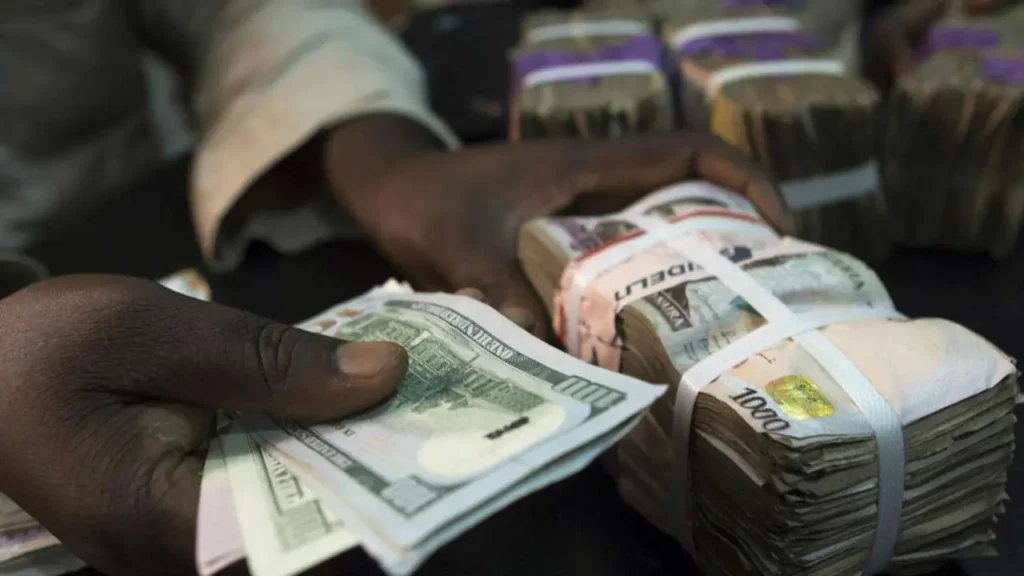

The Nigerian naira slipped further against the US dollar in the parallel (black) market this week, with traders quoting the currency at ₦1,480 to US$1, a modest depreciation from Monday’s rate of ₦1,476/$1. The movement underscores persistent volatility in the informal foreign exchange segment, where supply-demand dynamics often diverge sharply from official windows.
While official trading in the Nigerian Foreign Exchange Market (NFEM) continues to show relative stability — with the naira quoted around ₦1,420.25 per dollar — the divergence between formal and informal rates highlights ongoing pressure points in the currency space.
What’s Driving the Slide in the Parallel Market?
Analysts attribute the bearish sentiment in the black market to a combination of heightened dollar demand and constrained supply. In informal trading hubs, importers, corporate end-users, and retail purchasers often exert outsized influence on pricing, especially when remittance flows and official FX auctions fail to fully meet demand.
The gap between official and parallel rates has been a recurring theme in recent months, reflecting structural imbalances in forex availability despite monetary policy efforts. For example, as recently as late December 2025, the naira was trading at ₦1,442.51/$1 officially and ₦1,480/$1 on the black market, illustrating how informal prices can remain anchored higher even when the official rate shows modest gains.
Market Sentiment and Policy Signals
Foreign exchange conditions in Nigeria remain sensitive to broader economic signals. Past market reports have linked shifts in the naira’s value to central bank interventions, foreign reserve levels, and investor confidence. In one instance, official data showed sustained interventions and a strengthening external reserves position helped support the currency mid-year, though such support has not always translated into parallel market stability.
Currency market participants will be watching developments closely, particularly any signals from the Central Bank of Nigeria (CBN) regarding liquidity injections, auctions, or policy adjustments aimed at narrowing the gap between official and informal market rates.
For import-dependent businesses, a higher black market price for dollars increases operating costs and feeds through to consumer prices. Individuals seeking to buy foreign currency informally also face steeper costs, eroding purchasing power and fueling inflationary expectations.
At the same time, the disconnect between official and black market rates can create arbitrage opportunities for informal operators while undermining confidence in official price discovery mechanisms.










Comments