
TotalEnergies Exits 10% SPDC Stake as Vaaris Steps In After Failed $860m Sale
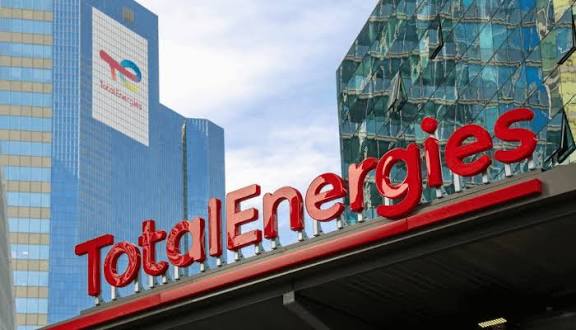

In a pivotal shift for Nigeria’s oil and gas landscape, French energy giant TotalEnergies EP Nigeria has agreed to sell its 10 per cent non-operated interest in the onshore oil venture formerly known as the Shell Petroleum Development Company (SPDC) Joint Venture — now rebranded as the Renaissance Joint Venture (JV) — to Vaaris Resources JV Co. Limited, a newly formed Nigerian energy player.
The move marks a renewed attempt by TotalEnergies to divest from ageing, high-risk onshore assets in the Niger Delta, following the collapse of a previously announced $860 million sale to Mauritius-based Chappal Energies in 2025. That deal was blocked by Nigerian regulators due to concerns over the buyer’s ability to meet financial and regulatory requirements, leaving the transaction in limbo.
What’s in the Deal
TotalEnergies will transfer its 10 per cent participating interest and associated rights in 15 oil-producing licences within the Renaissance JV to Vaaris. These licences produced around 16,000 barrels of oil equivalent per day for TotalEnergies in 2025.
The deal also covers TotalEnergies’ interest in three gas-producing licences — OML 23, OML 28, and OML 77 — which supply feed gas to Nigeria LNG. However, TotalEnergies will retain full economic interest in these gas assets, underscoring its continued commitment to the country’s gas sector, widely seen as a cornerstone of Nigeria’s energy transition.
A Second Chance After a High-Profile Setback
This sale represents TotalEnergies’ second major attempt to exit its minority SPDC stake after the Chappal Energies deal — initially announced in mid-2024 — hit regulatory headwinds. TotalEnergies and Chappal were unable to satisfy stringent financial and environmental funding conditions imposed by Nigerian authorities, leading to the withdrawal of approval last year.
The collapse of that $860 million transaction was a notable setback; it left TotalEnergies holding onto assets that have historically been burdened by oil theft, pipeline vandalism, ageing infrastructure, and environmental liabilities — issues that have weighed on both profitability and reputation.
Implications for Nigeria’s Oil Sector
The agreement with Vaaris — a company incorporated in Nigeria in late 2025 — highlights a growing trend: indigenous firms and local consortiums are taking a more active role in owning and operating onshore energy assets once dominated by international majors.
If approved, Vaaris will become a minority partner in the Renaissance JV, joining the Nigerian National Petroleum Company (55 per cent), Renaissance Africa Energy Company (30 per cent), and Italy’s Eni (5 per cent).
Industry analysts say this shift could accelerate local participation and regional value creation, even as global energy giants pivot toward less carbon-intensive and more financially predictable assets, such as offshore developments and natural gas. It also underscores persistent regulatory scrutiny in Nigeria, where authorities have increasingly taken a cautious stance on divestments of strategic oil assets.
What to Watch Next
The successful closing of the TotalEnergies-Vaaris transaction still hinges on regulatory approval and customary closing conditions. Observers will be watching closely how the NUPRC evaluates Vaaris’ financial and technical capacity — especially in light of the earlier rejection of Chappal Energies.
For Nigeria’s financial and energy sectors, this deal represents both a significant corporate transition and a barometer of investor confidence in the country’s upstream landscape — even as stakeholders push to balance economic growth with environmental and operational realities.











Comments