
UK Funds Power 65% of Nigeria’s Foreign Investment Inflows
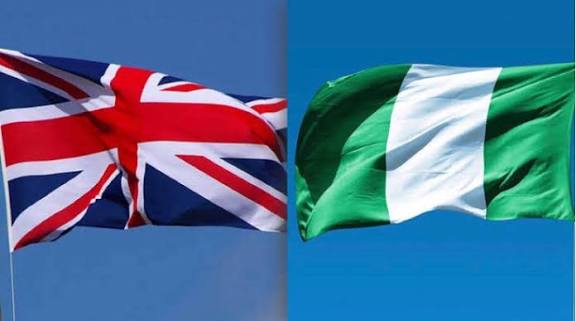

UK-based investors have emerged as the dominant source of foreign capital into Nigeria, accounting for about 65 per cent of total foreign inflows, according to recent data from Nigeria’s investment authorities. The development highlights the growing depth of economic ties between both countries and reflects renewed investor confidence in Nigeria’s evolving macroeconomic and policy environment.
The strong inflow from the United Kingdom follows a series of investment-friendly reforms and bilateral initiatives aimed at improving Nigeria’s attractiveness to foreign capital. Officials from the Federal Ministry of Industry, Trade and Investment have attributed the surge largely to targeted engagement with UK institutional investors, development finance institutions and private equity firms, alongside reforms designed to reduce market distortions and improve capital mobility.
A significant portion of the UK inflows has been channelled into the real sector, particularly agriculture, agro-processing and manufacturing. Notable transactions include investments in cocoa processing, food production and climate-smart agriculture businesses, signalling a shift away from purely extractive investments toward value-adding industries.
However, The inflows also coincide with the implementation of the UK-Nigeria Enhanced Trade and Investment Partnership, which seeks to strengthen cooperation in trade facilitation, investment protection and regulatory alignment. The framework has helped lower entry barriers for UK investors and improved deal-making efficiency, making Nigeria a more competitive destination for long-term capital.
Beyond bilateral agreements, macroeconomic reforms introduced over the past year have played a key role in restoring confidence. Foreign exchange market liberalization, subsidy reforms and tighter fiscal and monetary coordination have helped address long-standing structural bottlenecks that previously discouraged foreign participation.
Data from trade and investment agencies show that non-oil exports have recorded notable growth, while overall trade balances have improved, reinforcing the perception that Nigeria’s economy is gradually stabilizing. Market performance on the Nigerian Exchange has also benefited from improved sentiment, with foreign portfolio interest picking up alongside direct investment flows.
In addition, the scale of UK inflows is a positive signal, experts caution that Nigeria must continue efforts to broaden its investor base across regions to reduce exposure to external shocks. Expanding engagement with investors from the Middle East, Asia and Europe, alongside sustained policy consistency, will be critical to maintaining momentum.
Looking ahead, Nigerian authorities say the focus will remain on translating commitments into measurable economic impact, particularly in job creation, industrial capacity expansion and export growth. If sustained, the current trend could mark a turning point in Nigeria’s foreign investment narrative, positioning the country as a more credible and competitive destination for global capital











Comments