
Niger State to Launch $163 Million Solar Project with Islamic Development Bank Support
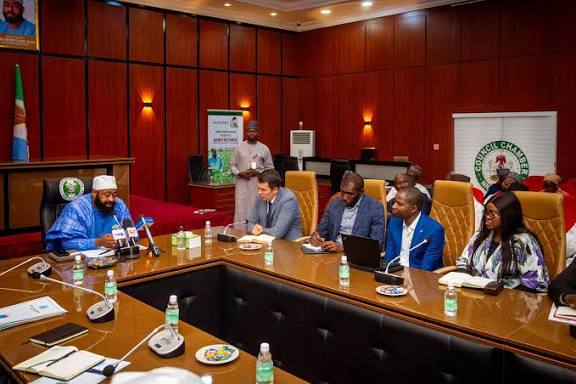

In a major development for Nigeria’s energy infrastructure and renewable investment landscape, the Islamic Development Bank (IsDB) has committed $163 million to fund a large-scale solar electrification project in Niger State, officials confirmed this week.
The project, formally dubbed the Niger State Solar Electrification Project (code-named NGA1063), marks one of the most significant renewable energy investments in the region and signals growing confidence by international financiers in Nigeria’s clean energy potential.
Powering Growth with Solar
- Capacity & Scale: The solar facility will have a capacity of 100 megawatts (MW) and span about 200 hectares in north-central Nigeria.
- Funding: The Islamic Development Bank’s USD 163 million financing package will support the project’s preparatory and implementation phases, including technical designs, environmental impact assessments, and stakeholder engagements.
- Deployment: Upon completion, the facility is expected to deliver reliable, clean electricity to multiple communities across Niger State, where grid instability has historically constrained businesses and households.
Governor Umaru Mohammed Bago described the initiative as a transformative investment that will not only strengthen power access but also catalyse industrial and agricultural activity across the state. He emphasized that stable electricity is a prerequisite for processing agricultural produce and expanding local manufacturing.
Economic and Strategic Importance
For Niger State, which has faced perennial energy shortfalls, the solar project offers a strategic pathway to diversify its energy portfolio and reduce dependency on fossil-fuel generation. The governor underscored that the facility will complement existing public investments in farming and agro-processing, helping to unlock higher productivity and revenue generation.
Daniyar Abylkhan, head of the IsDB task team, noted that the bank’s decision to invest is rooted in the state’s abundant sunshine and long-standing partnership with the financial institution. He highlighted that leveraging solar energy aligns with global climate and sustainable development goals while providing long-term economic payoffs.
Development Partnership & Implementation Pathway
Officials have emphasized that the agreement with IsDB initiates a project preparation phase involving consultations with technical authorities, environmental and social impact studies, and documentation for final approvals.
The State’s Secretary to the Government, Usman Abubakar, reiterated that the move to renewable energy forms part of a broader strategy to attract and manage international capital flows into critical infrastructure, especially as Nigeria continues to modernize its energy sector.
Broader Implications for Nigeria’s Energy Sector
The Islamic Development Bank’s backing of the Niger State project arrives amid a period of heightened urgency for clean, stable power solutions in Nigeria. Frequent grid instability including recent nationwide outages has spotlighted the limitations of the existing power system and the critical need for decentralized, renewable alternatives.
Analysts say that sizeable international investments in solar and other renewable technologies can help bridge Nigeria’s electricity deficit, attract private capital, and support economic transformation.
Conclusion
As Niger State embarks on what officials call a “game-changing” partnership with the Islamic Development Bank, the USD 163 million solar project represents more than an infrastructure build it’s a strategic pivot towards clean energy investment and economic diversification.
If delivered on schedule and scaled effectively, the project could serve as a blueprint for other Nigerian states and regional governments seeking to leverage renewable financing for sustainable development.








Comments