
Foreign Direct Investment Slips Amid Rising Portfolio Inflows in Nigeria
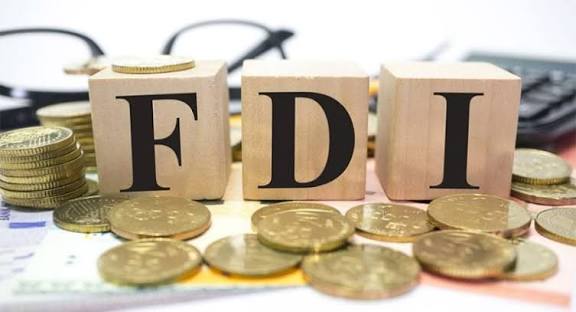

Despite a surge in overall foreign capital inflows into Nigeria in 2025, foreign direct investment (FDI) has continued to shrink — highlighting lingering structural and confidence‑related issues in the economy.
According to recent data from the Central Bank of Nigeria (CBN), total foreign capital imported into the country rose sharply by 118 percent year‑on‑year to approximately US$14.78 billion in the first eight months of 2025, up from US$6.83 billion in the same period the previous year.
However, the bulk of these inflows came in the form of short‑term foreign portfolio investments (FPI), accounting for 86 percent, while the share of FDI dropped to just 2.9 percent from 3.1 percent last year — amounting to roughly US$433 million.
Analysts attribute the decline in FDI’s share not to a collapse of foreign interest overall, but to growing investor preference for “easy‑in, easy‑out” portfolio investments. These yield quick returns and respond fast to improving foreign exchange liquidity, whereas long‑term foreign investors remain skeptical about committing capital until macroeconomic, regulatory, and structural uncertainties are resolved.
Observers — including experts from Lagos Chamber of Commerce and Industry (LCCI) — warn that this pattern undermines Nigeria’s long‑term development prospects. While portfolio flows may boost liquidity and market activity, they do little to create jobs, build infrastructure or foster industrial growth.
To reverse the trend, analysts urge the federal government and relevant agencies to deepen structural reforms, improve regulatory consistency, enhance infrastructure, and create a more predictable business environment. This, they argue, is essential to regain the trust of long‑term investors and channel foreign inflows into productive sectors that drive sustainable economic growth.











Comments