
November FX Market: Naira Drops to ₦1,446/$1 Despite CBN Intervention
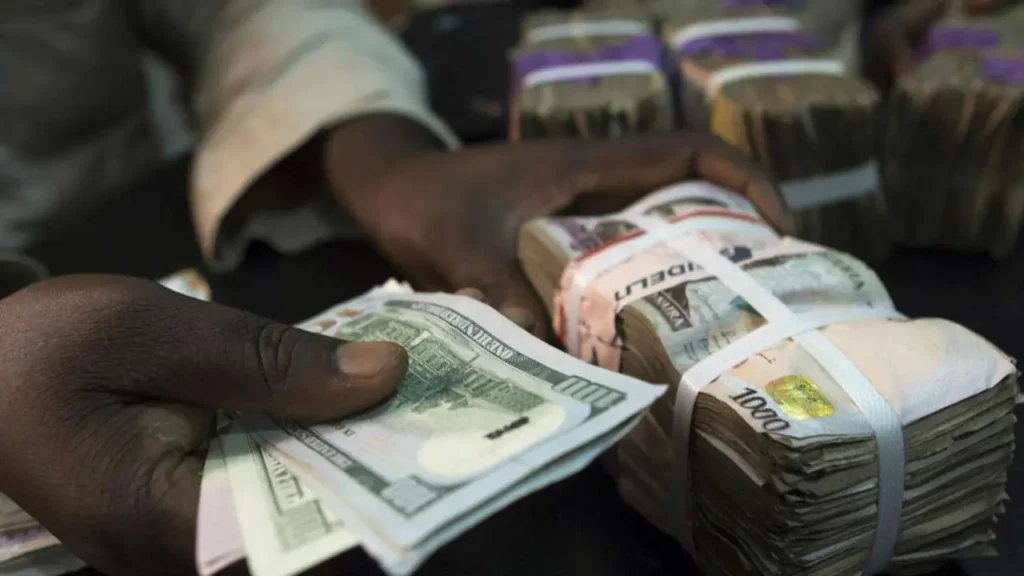

The Naira exchange rate suffered a reversal in November, slipping to about ₦1,446/$1 at the official window. This comes after a strong October closing, when the local currency ended the month at ₦1,427.50/$1 — its best performance since January.
Analysts argue that the sliding naira reflects a classic supply–demand imbalance: while FX inflows — from oil, remittances, and portfolio investments — remain considerable, dollar demand for imports, corporate and retail obligations persist, stretching official FX supply thin.
As one investment house observed: “softer inflows met firmer dollar demand,” leading the naira to weaken from ₦1,442.43 to ₦1,456.72 per dollar over the week.
Traders note that while tighter monetary policy — including maintaining the Monetary Policy Rate at elevated levels — tends to attract foreign portfolio capital, the impact this time has been muted. Many foreign investors appear cautious, dampening hope that higher interest rates alone can sustain naira strength.
For households and businesses reliant on imports or foreign‑denominated inputs, the slide spells higher costs, squeezed margins, and growing inflationary pressure. Meanwhile, deeper structural issues — like the need to diversify exports, boost local production and improve FX supply — remain at the core of any long‑term solution.
The naira’s rebound in October offered a glimmer of hope, but November’s slide underscores that without stronger and sustained dollar inflows, Nigeria’s currency remains exposed to volatility.












Comments