Banks, Insurers’ Economic Contribution Drops 15% to ₦1.51 Trillion
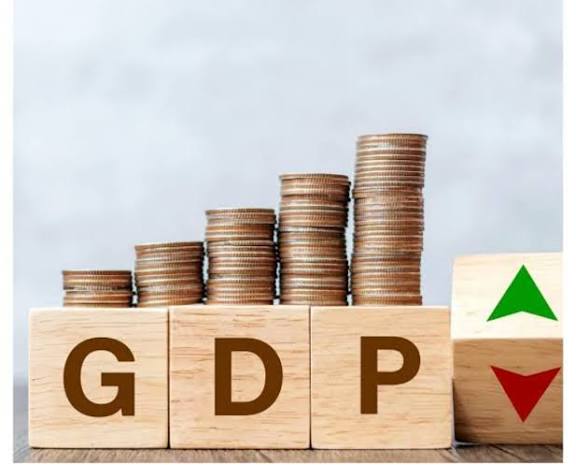

Nigeria’s financial services sector — comprising banking, insurance and related institutions — recorded a significant slowdown in the third quarter of 2025, as its contribution to the nation’s Gross Domestic Product (GDP) dropped by 15 per cent to ₦1.51 trillion.
This marks a decline from the ₦1.78 trillion posted at the beginning of the year, according to figures from the National Bureau of Statistics (NBS).
The latest data shows that the sector has now experienced two consecutive quarterly declines. In the second quarter, output had already fallen to ₦1.65 trillion, reflecting weaker lending activities, slower transaction volumes and softer insurance uptake across key segments of the economy.
Analysts note that tightening liquidity conditions, higher interest rates and reduced consumer spending played major roles in the downward trend.
However, the broader nine-month picture remains relatively positive. Between January and September 2025, the sector contributed a total of ₦4.94 trillion to GDP — a 16.8 per cent increase compared with ₦4.23 trillion recorded in the same period of 2024.
During this period, the sector’s overall share of national output also improved, rising from 2.7 per cent in 2024 to 3.0 per cent in 2025.
Economists say the contrasting quarterly and annual results highlight both the resilience and the vulnerability of the sector.
While yearly growth suggests underlying strength, the recent quarterly contraction signals the need for improved liquidity, stronger credit flows and policy support. The performance in the final quarter will determine whether the sector rebounds or continues on a downward trajectory.












Comments