
Are Fintech Apps Better Than Banks?
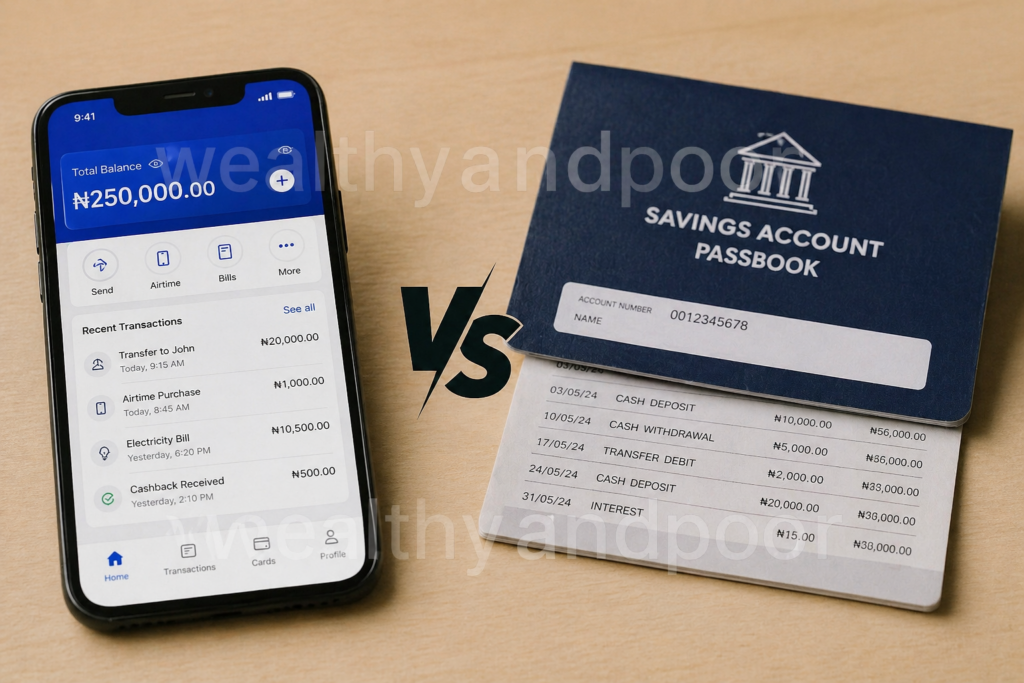

In Nigeria’s fast changing financial landscape, the debate over whether fintech apps are better than traditional banks is no longer theoretical it is happening in real time. From everyday transfers to savings and lending, millions of Nigerians now rely on digital financial platforms. But does that mean fintech has truly surpassed banks? Or is the reality more nuanced?
This article examines both sides of the argument, offering a balanced, real world perspective on how fintech apps compare with traditional banking institutions.
The Rise of Fintech in Nigeria
Over the past decade, Nigeria has emerged as one of Africa’s fintech powerhouses. Digital platforms now handle payments, savings, loans, and investments all from a smartphone. Millions of users rely on fintech apps daily for tasks that once required visiting a bank branch.
This rapid adoption is driven by a simple promise: faster, cheaper, and more convenient financial services. In fact, studies show that a significant percentage of Nigerians now prefer fintech apps over traditional bank apps for everyday transactions.
Where Fintech Apps Outperform Banks
- Speed and Convenience
One of fintech’s biggest advantages is speed. Transactions that may take hours or even fail on traditional bank systems are often completed instantly on fintech platforms. This is largely due to modern infrastructure and optimized systems designed for real-time payments.
Users can send money, pay bills, or access loans at any time, without queues or paperwork. This 24/7 accessibility has redefined expectations around financial services.
- Better User Experience
Fintech apps are built with a “mobile-first” approach. From seamless onboarding to intuitive interfaces, they prioritize ease of use.
According to a recent report by Wealthy and poor, fintech companies are “redefining what customers expect from banking” by offering real-time services and personalized experiences that traditional banks often struggle to match.
- Lower Fees and Transparency
Traditional banks in Nigeria are often criticized for hidden charges and maintenance fees. Fintech apps, by contrast, typically offer lower fees or even free transfers.
Their cost advantage comes from operating without physical branches and legacy systems, allowing them to pass savings directly to users.
- Financial Inclusion
Fintech has brought millions of previously unbanked Nigerians into the financial system. With just a smartphone and minimal documentation, users can open accounts, access credit, and manage money.
This is especially important in rural and underserved areas where bank branches are limited.
Where Traditional Banks Still Lead
Despite fintech’s rapid growth, banks remain deeply relevant and in some areas, superior.
- Trust and Stability
Banks are heavily regulated and have decades sometimes over a century of institutional trust behind them. For many Nigerians, especially older users, this stability matters.
When dealing with large sums of money, people often prefer the perceived safety of a licensed bank.
- Stronger Regulatory Protection
Traditional banks operate under strict oversight from regulators like the Central Bank of Nigeria (CBN). While fintech companies are also regulated, the framework is still evolving.
This creates a perception sometimes justified that banks offer better protection in cases of disputes or fraud.
- Full-Service Financial Ecosystem
Banks provide a broader range of services, including international trade financing, corporate banking, mortgages, and complex investment products.
Fintech apps, on the other hand, often specialize in specific services like payments, savings, or lending rather than offering a full financial suite.
- Physical Presence
Bank branches still play a critical role, especially for customers who need in-person assistance or prefer face-to-face interactions.
In a country where digital literacy varies, this physical presence remains a significant advantage.
The Hidden Weaknesses of Fintech
While fintech apps are innovative, they are not without flaws:
- Downtime and failed transactions: Just like banks, fintech platforms can experience technical issues.
- Customer support challenges: Many users complain about slow or automated responses.
- Dependence on banks: Most fintech apps still rely on traditional banks for backend infrastructure.
This last point is crucial fintech is not entirely independent. Instead, it often builds on the existing banking system.
Are Fintech Apps Replacing Banks?
The short answer: No but they are reshaping them.
Rather than outright replacement, what we are seeing is competition and collaboration. Banks are investing heavily in digital transformation, while fintech companies continue to innovate rapidly.
In many cases, the future lies in partnerships where banks provide stability and regulation, and fintech delivers speed and innovation.
The Verdict: Which Is Better?
The question of whether fintech apps are better than banks does not have a one size-fits-all answer.
For everyday transactions, speed, and convenience: fintech apps often win.
For security, large transactions, and complex financial needs: banks still lead.
In reality, most Nigerians today use both fintech apps for daily activities and banks for more critical financial operations.
Conclusion
Fintech apps are not just an alternative to banks they are a powerful force pushing the entire financial industry forward. They have improved speed, reduced costs, and expanded access to financial services across Nigeria.
However, traditional banks remain essential, offering trust, regulation, and comprehensive services that fintech alone cannot fully replace.
The future of finance in Nigeria is not about choosing one over the other. It is about a hybrid system, where fintech and banks coexist, compete, and collaborate to deliver better financial experiences for everyone.











Comments