
How Fintech Apps Verify Identity
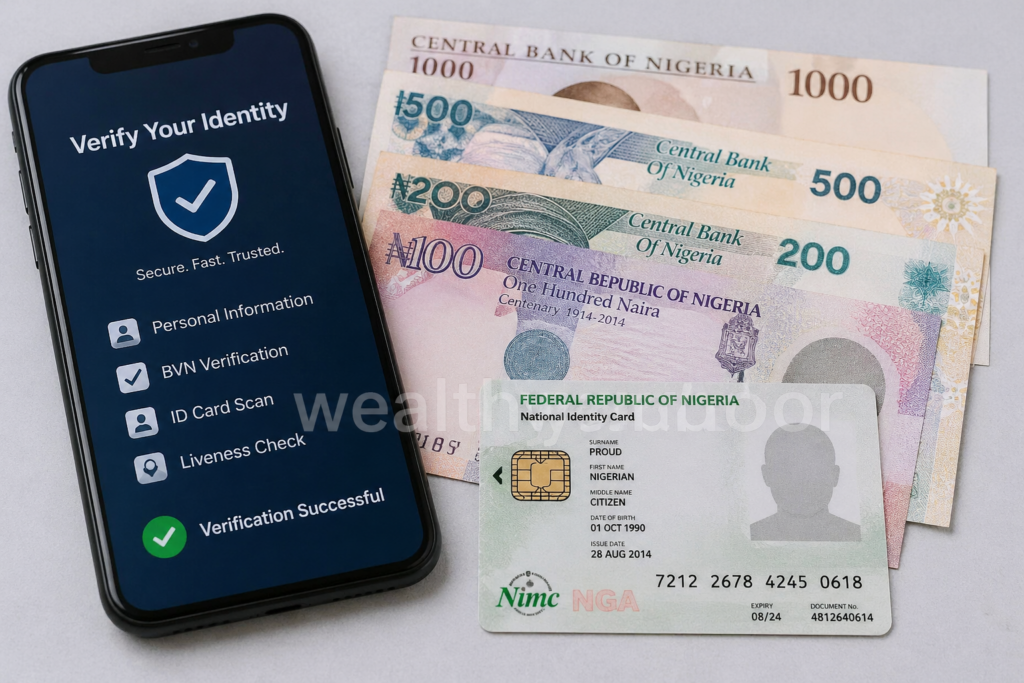

In the fast evolving world of digital finance, identity has become the first line of trust. Before a user can send money, invest, or even open a wallet, fintech platforms must answer one critical question: Is this person who they claim to be? The answer lies in a sophisticated process known as digital identity verification an essential foundation for security, compliance, and user confidence.
This article explores how fintech apps verify identity, the technologies behind the process, and why it matters more than ever in today’s financial ecosystem.
The Foundation: KYC and Regulatory Compliance
At the core of identity verification in fintech is Know Your Customer (KYC) a regulatory requirement that obligates financial institutions to verify the identity of their users. KYC ensures that individuals using financial services are legitimate and not involved in fraud, money laundering, or other illegal activities.
For fintech apps, compliance is non negotiable. Operating without robust identity checks can lead to regulatory penalties, reputational damage, and exposure to financial crime. As a result, identity verification is not just a technical feature it is a legal and operational necessity.
Step-by-Step: How Identity Verification Works
Modern fintech apps have transformed identity verification from a slow, paper based process into a seamless digital experience. Here’s how it typically works:
- User Data Collection
The process begins when a user signs up and provides basic personal details such as name, date of birth, address, phone number, and email. These details form the initial identity profile.
- Document Verification
Users are required to upload a valid government-issued ID such as a national ID card, passport, or driver’s license. Advanced systems use Optical Character Recognition (OCR) to extract and analyze the data on the document.
The system checks for:
- Authenticity of the document
- Signs of tampering or forgery
- Consistency between submitted data and ID details
This step replaces the traditional in person document inspection once done at bank branches.
To confirm that the person submitting the ID is its rightful owner, fintech apps use biometric authentication. This typically involves:
- Taking a selfie or short video
- Matching the face with the ID photo
- Performing “liveness detection” to ensure the user is physically present
Biometrics rely on unique human traits such as facial structure, fingerprints, or voice patterns, making them highly secure and difficult to fake.
- Database and Watchlist Checks
Once identity is verified visually and digitally, fintech platforms cross check user data against:
- Government databases (where accessible)
- Credit bureaus
- Sanctions and watchlists
This ensures the individual is not flagged for fraud, terrorism financing, or other high risk activities.
- Risk Assessment and Approval
Finally, the system evaluates the user’s risk profile using algorithms and machine learning. If everything checks out, the account is approved often within minutes.
The Technology Behind the Process
Modern identity verification is powered by a combination of advanced technologies:
- Artificial Intelligence (AI): Detects patterns, flags suspicious behavior, and improves accuracy over time
- Machine Learning: Learns from fraud attempts to enhance detection
- Biometric Systems: Enable secure and user-friendly authentication
- Liveness Detection: Prevents spoofing using photos or deepfakes
- Behavioral Analytics: Monitors how users interact with the app to detect anomalies
These tools allow fintech apps to verify identities in real time while maintaining high levels of security and user convenience.
Why Identity Verification Matters
Identity verification is not just about onboarding it plays a continuous role throughout the user’s lifecycle.
- Fraud Prevention
By ensuring that every account belongs to a real person, fintech apps reduce identity theft, account takeovers, and financial fraud.
- Regulatory Compliance
Governments and financial regulators require strict adherence to KYC and Anti-Money Laundering (AML) rules. Failure to comply can result in heavy fines or shutdowns.
- Building Trust
Users are more likely to trust platforms that prioritize security. A strong verification process reassures customers that their money and data are safe.
- Seamless User Experience
Modern systems balance security with speed. What once took days or weeks can now be completed in minutes, improving customer satisfaction and retention.
Challenges and Emerging Risks
Despite its advantages, digital identity verification is not without challenges.
- Privacy Concerns: Users may worry about how their biometric data is stored and used
- Deepfake Technology: Increasingly sophisticated fake videos and images pose new threats to biometric systems
- False Rejections: Legitimate users may sometimes fail verification due to poor image quality or system errors
- Regulatory Complexity: Different countries have varying rules, making global compliance difficult
Fintech companies must continuously evolve their systems to address these risks while maintaining user trust.
The Future of Identity Verification
Looking ahead, identity verification is expected to become even more advanced and user-centric. Innovations such as decentralized identity systems and blockchain based KYC aim to give users greater control over their personal data.
At the same time, continuous authentication where systems verify users throughout their activity, not just at login is becoming more common. This shift reflects a broader trend: identity verification is no longer a one-time event, but an ongoing process.
Conclusion
Fintech apps verify identity through a sophisticated blend of regulatory frameworks, digital processes, and cutting edge technologies. From document scanning to biometric authentication and AI driven risk analysis, every step is designed to ensure that users are genuine and transactions are secure.
As digital finance continues to expand, identity verification will remain at the heart of the ecosystem quietly working behind the scenes to protect users, prevent fraud, and build the trust that modern financial systems depend on.












Comments