
ATM Withdrawal Charges Explained

Automated Teller Machines (ATMs) remain one of the most widely used banking channels in Nigeria—especially for quick access to cash. Yet, many customers remain frustrated by the charges that sometimes appear after a withdrawal, especially when using another bank’s ATM. These charges, often misunderstood, form one of the most popular inquiries Nigerian banking customers make daily.
However ATM withdrawal charges are fees imposed by banks when customers use an Automated Teller Machine to withdraw cash. In Nigeria, these charges typically arise when:
- You withdraw cash using another bank’s ATM (interbank withdrawal).
- You exceed the number of free withdrawals allowed per month.
- You use your debit card in another country (foreign transactions).
- Certain banks apply maintenance or service fees connected to card usage.
ATM charges are different from:
- Stamp Duty (₦50 statutory charge on electronic deposits of ₦10,000 and above).
- SMS Alert Charges.
- VAT deductions on services.
- Card maintenance fees.
- Hidden or miscellaneous bank fees.
CBN Regulation On ATM Fees in Nigeria
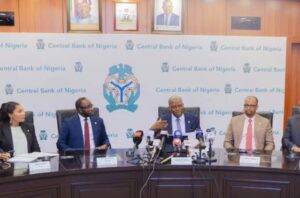
The Central Bank of Nigeria (CBN) regulates ATM withdrawals to prevent excessive charges. The latest guidelines state:
- First three withdrawals on other banks’ ATMs within a month → FREE
- CBN mandated that banks must allow customers to make three free interbank ATM withdrawals monthly.
- After the 3rd withdrawal → ₦35 deduction applies
- From the 4th withdrawal onwards, customers are charged ₦35 per transaction.
- Withdrawals on your bank’s ATM are free
- If you use your own bank’s machine, ATM withdrawal fees do not apply.
- No ATM charges on balance inquiries.

Using the ATM only to check your balance should not attract any fee. These regulations were introduced to reduce financial burden on customers and promote fairness across the industry.
Why Banks Charge ₦35 After the Third Withdrawal:
Just like the ₦50 transfer levy, Why Nigerian Banks Deduct ₦50 Naira From Transfers many ATM charges are governed by national policy and interbank settlement rules.
Banks charge ₦35 for the following reasons:
- Interbank settlement cost: Your bank compensates the ATM-owner bank for using their machine, this is called the Inter-Switching Fee, Maintenance & infrastructure.
- Banks claim ATM fees help maintain: Machine uptime, Cash loading, Network connectivity, Security and surveillance.
- Encouraging digital transactions: CBN wants to reduce excessive cash withdrawals and promote digital payments, This aligns with other regulatory deductions such as VAT on digital services and the ₦50 stamp duty on electronic deposits.
The most common complaints customers have relate to:
- Being charged immediately even when it’s their first interbank withdrawal.
- Multiple deductions due to network failure.
- Confusing ATM charges with stamp duty or SMS alerts.
GTBank Example: The ₦11.25 and Other Small Charges
ATM-related deductions from other service charges like:
- VAT (7.5%) applied on services
- SMS alert charges (₦4–₦15 per message)
- E-channels maintenance fees
These are not ATM charges, but customers often mix them up.
For instance:
- If GTBank deducts ₦11.25, it is usually VAT on a service fee.
- If you see ₦35, it is an ATM withdrawal charge.
- ₦50 often represents stamp duty (not ATM-related). Understanding these differences helps customers identify deductions accurately.
Stamp Duty Is Not an ATM Charge: Many Nigerians often confuse stamp duty with ATM withdrawal fees, Stamp duty of ₦50 is only applied when you receive deposits of ₦10,000 or more, It has nothing to do with ATM withdrawals, It is a government-mandated charge, not a bank charge.
Hidden Bank Charges Related to ATM Withdrawals
- Network-related duplicate deductions
- POS fallback charges (when a failed ATM forces a user to use a POS)
- Cross-bank decline fees
- Un-reflected ATM reversals after 24 hours
Many of these are not officially labeled as “ATM withdrawal charges,” but occur during ATM use.
How to Reduce ATM Withdrawal Charges in Nigeria:
- Use your bank’s ATM as much as possible: This ensure Zero withdrawal fee, Higher withdrawal limit, Better reversal speed if debited wrongly
- Limit interbank withdrawals to three times per month: After the 3rd time, the ₦35 deduction begins
- Adopt digital payment alternatives : Use Transfers, USSD, Bank apps, POS payments this reduces your need for cash.
- Withdraw larger sums at once: Instead of withdrawing small amounts frequently which triggers charges.
- Use bank apps to check balances, Avoid unnecessary ATM balance inquiries.
- Track your alerts: SMS charges can add up, Consider email alerts to reduce SMS fees if your bank permits.
Why VAT Appears Alongside ATM Charges:
- VAT (7.5%) is applied on bank service fees, not on ATM withdrawals themselves.
- If you see deductions like ₦2.63, ₦3.75, ₦11.25, they are VAT on other service fees, not ATM charges.
- VAT does not apply to the ₦35 ATM fee.
- VAT is separate but often shows up near the same time as ATM deductions, creating confusion.
The key is simple: Use your own bank’s ATM, reduce frequent cash withdrawals, track all deductions, and adopt digital payments where possible.
Understanding these fees is not just about avoiding charges it’s about becoming a smarter, more financially informed banking customer.
If you withdraw cash and see a ₦50 charge immediately, it is not from the ATM transaction—it is likely from earlier inbound transfers.
In Conclusion : ATM withdrawal charges in Nigeria are guided by clear CBN regulations, bank practices, and inter-switch rules. Knowing that you only start paying ₦35 after the 3rd withdrawal on another bank’s ATM can significantly reduce your banking costs.
When combined with awareness of related deductions—such as stamp duty, VAT, SMS alerts, GTBank ₦11.25 deductions, card maintenance fees, and hidden charges—customers become fully empowered to manage their finances better.











Comments