
Best Time To Make Bank Transfers in Nigeria
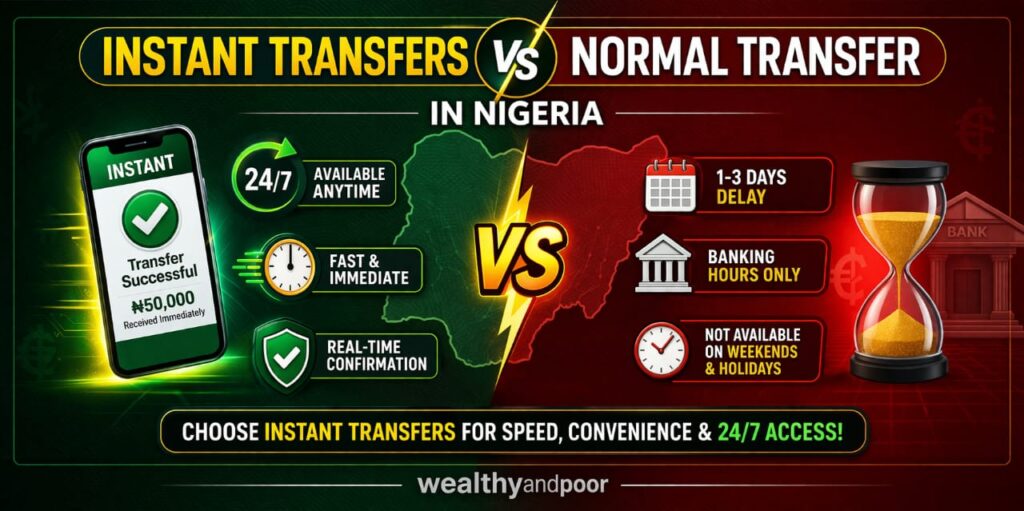

In Nigeria’s fast-evolving digital banking system, transfers are often expected to be instant. Thanks to platforms like NIBSS Instant Payment (NIP), many transactions now happen within seconds. However, real-life experience shows that timing still plays a critical role in whether your transfer goes through smoothly or gets delayed. As Bank users understanding the best time to send money can help you avoid failed transactions, pending debits, and unnecessary stress.
Understanding How Bank Transfers Work in Nigeria
Before choosing the best time, it’s important to understand the system behind your transfer.
Most interbank transfers in Nigeria pass through the Nigeria Inter-Bank Settlement System (NIBSS), which connects banks and processes transactions in real time. While customers often see instant results, the process still involves multiple systems your bank, NIBSS, and the receiving bank.
Because of this shared infrastructure, any congestion or downtime at any point can affect your transaction.
Why Timing Matters
Bank transfers in Nigeria are highly influenced by user behavior and transaction volume. When too many people initiate transfers at the same time, systems become overloaded, leading to delays, failures, or pending transactions.
Peak transaction periods typically include:
- Monday mornings (especially 8 AM – 11 AM)
- End of the month (salary payments)
- Beginning of a new month
- Evenings after work hours
- Weekends and public holidays
During these periods, millions of users are active simultaneously, creating heavy traffic on banking systems and NIBSS infrastructure.
Best Time To Make Bank Transfers in Nigeria
To ensure faster and more reliable transactions, timing your transfers strategically is key.
1. Early Morning (6 AM – 8 AM)
This is one of the best times to make transfers.
At this time:
Fewer users are online
Bank servers are less congested
Systems are fully refreshed after overnight cycles
Transfers made early in the morning are more likely to go through instantly without delays.
2. Midday (11 AM – 2 PM)
Late morning to early afternoon is another safe window.
By this time:
Morning traffic has reduced
Banking systems stabilize after early rush
Network congestion is moderate
This period is ideal for business transactions and urgent payments.
3. Early Weekdays (Tuesday – Thursday)
The day you choose matters as much as the time.
Best days:
Tuesday
Wednesday
Thursday
These days typically have:
- Lower transaction pressure
- Fewer system disruptions
- More consistent processing
Avoid Mondays, as they carry backlog transactions from the weekend.
Worst Time To Make Bank Transfers in Nigeria
1. Monday Mornings
This is one of the busiest periods in Nigerian banking.
Backlog from weekend transactions
Businesses processing payments
High login and transaction volume
Result: Slow processing and frequent failures.
2. Month-End and Salary Days
During salary periods:
Millions of accounts are credited at once
Users immediately start transferring funds
This creates extreme congestion on banking systems and NIBSS, often leading to delays or pending transfers.
3. Evenings (7 PM – 11 PM)
After work hours:
Many users perform transactions simultaneously
Mobile banking apps experience heavy traffic
This often leads to:
Failed transactions
Delayed alerts
Temporary app downtime
4. Weekends and Sundays
Although transfers can be initiated anytime, weekends come with limitations:
Reduced interbank settlement activity
Scheduled bank maintenance
Possible queuing of transactions till Monday
This explains why some transfers remain pending for hours or get delayed until the next business day.
5. Late Night Transfers (After 11 PM)
Late-night transfers may be affected by:
System maintenance
Daily processing cut-off times
Reduced technical support availability
Some transactions may not fully process until the next business cycle.
Pro Tips for Faster Bank Transfers
To consistently avoid delays, follow these practical tips:
- Always transfer early in the day when possible
- Avoid peak periods like salary days and evenings
- Double-check recipient details to prevent reversals
- Keep your transaction reference in case of issues
- Use stable internet to avoid incomplete requests
Also, note that while most transfers are instant, some may still take a few minutes or hours due to security checks, cut-off times, or system congestion.
Conclusion: While Nigeria’s banking system has improved significantly with real-time payments, timing remains a crucial factor in transaction success. The difference between a smooth transfer and a frustrating delay often comes down to when you initiate it.
If you want speed, reliability, and peace of mind, aim for early mornings or midday on less busy weekdays and avoid peak periods when everyone else is trying to do the same thing.
Mastering this simple timing strategy can save you time, reduce stress, and make your banking experience far more efficient.












Comments