
Complete Guide to Nigerian Fintech Apps ( 2026 Edition)
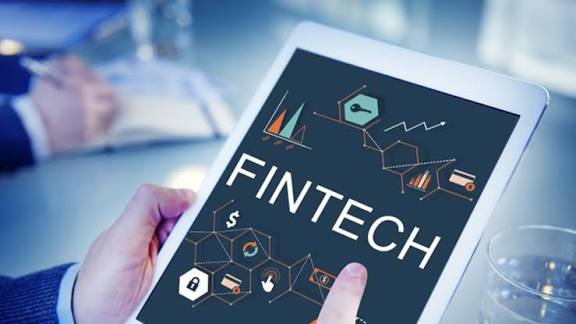

Nigeria stands at the forefront of Africa’s financial technology revolution. Over the past decade, the country has transformed from a cash-dependent economy into one of the world’s most vibrant fintech ecosystems. In 2026, Nigerian fintech apps are no longer just alternatives to traditional banks — they are essential tools shaping how individuals, small businesses, and large enterprises access, manage, and grow their finances.
Driven by a young, tech-savvy population, widespread smartphone adoption, and persistent gaps in conventional banking services, fintech companies have risen to meet real economic needs. From instant money transfers and digital savings to micro-loans, investments, and merchant solutions, fintech apps now power daily financial activities for millions of Nigerians across urban and rural communities.
What makes Nigeria’s fintech sector unique is its focus on accessibility, speed, and inclusion. These platforms are designed to serve everyday users — students, traders, freelancers, and entrepreneurs — offering secure, low-cost services that were once difficult or impossible to obtain. Backed by regulatory oversight from the Central Bank of Nigeria (CBN) and fueled by local innovation, fintech has become a major driver of economic participation and financial independence.
Fintech (financial technology) refers to digital platforms — especially mobile apps — that deliver financial services faster, cheaper, and more accessible than traditional banking systems. In Nigeria, fintech apps are closing the financial inclusion gap by offering services such as:
- Digital banking without branches
- Instant loans without paperwork
- Automated savings and investments
- Peer-to-peer payments and bill payment
- Business payment solutions and POS systems
These innovations help millions of Nigerians participate in the formal financial system, especially those previously .
Nigerian Fintech Ecosystem in 2026
Rapid User Adoption: Many Nigerian fintech apps have crossed millions of downloads on Android, reflecting widespread consumer trust and daily use.
Youth-Driven Innovation: Young Nigerians are leading adoption with intuitive mobile-first solutions for savings, spending, credit, and business finance — fueling a shift from cash-based transactions.
Lower Costs: Fintech services often cost up to 80% less than traditional banks, making them attractive alternatives for everyday banking.
Inclusive Access: With offline tools, agent networks, and lightweight apps, fintech providers are expanding access even where internet quality or smartphone ownership remains limited.
Top Fintech Apps in Nigeria
Overview:
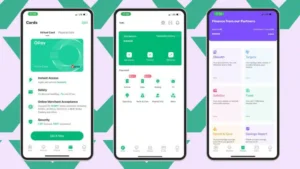
OPay has grown into Nigeria’s most widely used fintech, leading in downloads and active engagement.
Key Features:
- Peer-to-peer money transfers
- Bill payments and airtime top-ups
- Savings and credit products
- Strong security and KYC compliance
Why It Matters:
OPay’s broad services and integration into daily financial activities make it a backbone of Nigeria’s digital finance ecosystem.
- Kuda – The bank of the free
Overview:
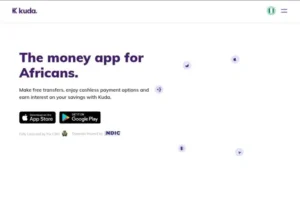
Kuda is a fully digital bank offering traditional banking services without account maintenance fees.
Key Features:
- Zero maintenance fees
- Free monthly transfers
- Budgeting tools and saving features
- Virtual and physical debit cards
Best For:
Salaried workers, digital nomads, and young professionals who want a modern banking alternative.
- PalmPay — Wallet, Rewards & Payments
Overview:
PalmPay combines digital wallet features with cash-back incentives and wide merchant acceptance.
Key Features:
- Cashbacks on transactions
- Bill payments and merchant POS support
- Loan referrals and savings options
Best For:
Individuals focused on everyday payments, incentives, and offline access via agent networks.
- Moniepoint — Business-First Fintech & Banking
Overview:
Originally focused on SMEs, Moniepoint now serves both businesses and consumers with robust digital finance tools.
poterbytech.com
Key Features:
- Digital banking for businesses
- POS payment solutions
- Lending and remittance services
- Strong cyber security
Best For:
Small and medium enterprises (SMEs) and merchants seeking reliable payment infrastructure.
- PiggyVest — Savings & Investments Simplified
Overview:
PiggyVest is Nigeria’s leading savings and investment platform, helping users automate their financial goals.
Key Features:
- Automated savings (Save & Invest)
- Safe lock for locking funds
- Goal-based savings and investment products
Best For:
Individuals who want disciplined savings and passive wealth building.
- FairMoney — Quick Loans and Banking
Overview:
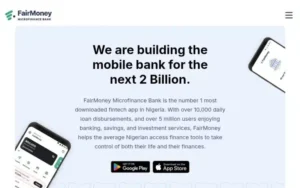
FairMoney combines instant loan access with banking services and basic utility payments.
Key Features:
- Fast digital loans (personal & SME)
- Bill payments
- Bank account and debit card
Best For:
Users needing quick credit without traditional collateral.
- VBank — Zero-Fee Virtual Banking
Overview:
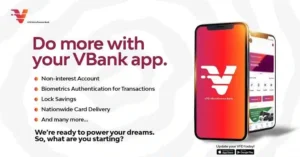
VBank offers virtual banking with zero monthly fees and flexible saving tools.
Key Features:
- Group savings (VTarget)
- Budgeting tools
- Virtual debit cards
Best For:
Young digital natives and savings groups.
Eyowo: A mobile-number-based banking platform focused on simplicity and inclusivity.
NowNow: Rising fintech focused on payments, digital wallets, and agency banking
Carbon: Blends loans, bill payments, and investment tools in one app.
Fintech Adoption Tips
Whether you’re new to digital finance or a seasoned user, follow these best practices:
- Security First: Choose apps regulated by the Central Bank of Nigeria (CBN) and ensure strong passwords, two-factor authentication, and careful sharing of BVN details.
- Review Fees: Some services are free; others charge minimal service fees — always check the fee structure before transacting.
- Start Small: If you’re exploring loans or investments, start with amounts you can comfortably afford to repay or invest.
- Monitor Updates: Fintech apps regularly update with new features — keep your app current for the best experience.
Nigeria’s fintech sector is expanding rapidly, with hundreds of startups and mainstream players driving competition and innovation. These apps are not just replacing traditional banking — they’re reshaping how Nigerians manage money, build wealth, and run businesses.
From digital wallets to smart savings and SME finance tools, the fintech ecosystem is democratizing financial services and elevating financial literacy across demographics. As we move deeper into 2026 and beyond, expect even more integration of AI, cross-border payments, and real-time credit scoring, making the future of finance in Nigeria more inclusive, innovative, and digital than ever.












Comments