
How Bank Reversal Works and Why it Happens

A bank reversal happens when a financial transaction that has already deducted funds from one account is cancelled or undone, and the funds are returned to the sender’s account as if the transaction never occurred. In many systems, you may see an entry labelled “Reversal” beside a credit or debit entry.
In Nigeria’s cashless banking era — where millions of transactions occur daily across mobile apps, POS terminals, ATM withdrawals, USSD platforms and internet banking — bank reversals have become a common, yet often misunderstood, part of digital finance. Whether you’re a business owner reconciling your accounts or an individual puzzled by a sudden “reversal” entry on your bank statement, understanding this process is essential. Reversals are part of the banking system’s checks and balances — protecting customers, banks, and the financial ecosystem.
In this article, we’ll explain what a bank reversal is, how it works, the reasons it happens, how long it takes, and what you should do when it occurs — all in the context of Nigerian banking.
How Bank Reversals Work
When you initiate a transaction, sending money via your bank’s mobile app — several systems immediately engage:
- Validation – The bank checks your details, BVN link, security checks and account status.
- Routing – For inter-bank transfers, the Nigeria Inter-Bank Settlement System (NIBSS) coordinates settlement between participating banks.
- Execution – Once authenticated, funds are deducted from your account and credited to the beneficiary’s account
However, not all transactions complete smoothly. When something goes wrong — whether a network timeout, wrong account number, or internal system error — the bank may reverse the transaction either automatically (real-time) or manually after investigation.
Automated Reversals
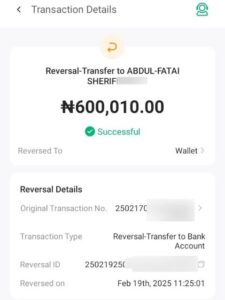
Modern banking systems are designed to detect failed transactions and trigger reversals instantly. Some examples:
- Timeouts: If the transaction doesn’t complete within the required time (e.g., due to network issues).
- System glitches: Erroneous deductions due to software malfunctions.
- Account not found or inactive: When the beneficiary’s account cannot be verified.
Manual Reversals
In more complex cases — such as disputes, fraud suspicion, erroneous transfers, or mismatch of beneficiary details — banks may initiate a manual reversal. These require human review and take longer.Why Bank Reversals Happen in Nigeria. Below are the most common triggers for reversals in the Nigerian banking environment:
System Errors & Technical Glitches
Even with advanced banking technology, transactions occasionally fail due to:
- Downtime on NIBSS or bank platforms
- Scheduled maintenance
- App or USSD disruptions
When these affect transfers, the system detects the failure and reverses the debit to safeguard funds.
Incorrect Details Entered
One of the biggest causes of reversals is human error:
- Wrong account number
- Incorrect beneficiary name
- Wrong destination bank selection
The banking system may automatically reverse such a transaction to prevent funds landing in a wrong account.
Nigeria’s financial ecosystem relies heavily on digital connectivity. A dropped internet connection, USSD timeout, or latency during settlement can interfere with transaction completion, leading to reversals.
Accounts with Restrictions
Some accounts may have restrictions or limitations — for example, frozen or inactive accounts. If a transfer attempts to credit such accounts, reversal becomes necessary.
Fraud Detection & Risk Management
Banks routinely run automated risk checks. If a transfer triggers suspicion (for example unusual activity, flagging of fraud patterns), the bank may halt the transaction and reverse it, then investigate further.
Denial or Cancellation by Bank or Merchant
Transactions on POS terminals or ATM withdrawals may be cancelled by merchants, the customer or the bank — which then triggers a reversal.
Regulatory Timelines & Customer Rights in Nigeria
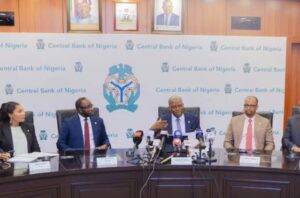
Regulatory bodies in Nigeria, notably the Central Bank of Nigeria (CBN), have set expectations for reversal timelines. Banks are expected — where possible — to complete automatic reversals quickly, and any unresolved cases manually within reasonable periods.
The Nigerian House of Representatives has also weighed in, urging prompt reversal and limiting how long reversed funds can be held before returning to customers.
Common Scenarios Customers See Reversals
- Failed POS Payment: Your account is debited at a merchant’s POS terminal, but the payment doesn’t go through. If the merchant cancels or the terminal errors, your bank reverses the charge.
- ATM Cash Not Dispensed: Your account is debited but cash doesn’t come out. Most banks automatically reverse such errors within 24–48 hours.
- USSD/Wire Transfer Not Completed: Your airtime balance drops or your bank shows a debit alert, but the beneficiary didn’t receive the funds. That’s often due to connectivity or routing issues and results in a reversal.
- Erroneous Third-Party Transfers: If you accidentally send money to the wrong account and the receiving customer hasn’t withdrawn it, a reversal may be pursued — though this involves a dispute and bank intervention.
What to Do When a Reversal Happens
- Keep Records: Always save details: Transaction reference, date/time, amount, and screenshot of debit alert. These are essential when you lodge a complaint.
- Report Promptly: Use your bank’s official complaint channels — mobile app, USSD, hotline or branch visit — to lodge a dispute. Ask for a ticket/complaint number.
- Follow Up: Don’t assume the reversal will happen automatically; follow up if expected timelines pass. Escalate to the CBN Consumer Protection Department if necessary.
- Know Your Rights: Under CBN guidelines, banks should not hold reversed funds indefinitely. If your bank delays, you can escalate to CBN or financial ombudsman channels.
Bank reversals are an integral part of Nigeria’s digital banking ecosystem. They occur not because of malicious intent but largely due to system safeguards, human error, regulatory protections, and risk controls designed to protect customers and maintain financial stability. safeguard your funds, and transact with confidence in Nigeria’s evolving banking landscape.










Comments