
Palmpay vs Opay Fees (2026)

Nigeria’s fintech space has evolved rapidly over the past few years, and platforms like PalmPay and OPay are now household names. From sending money and paying bills to running POS businesses, these mobile wallets have become integral to daily life. But with so many options available, one key question arises: how much do these platforms really charge, and which one is more cost-effective in 2026?
Understanding fees is crucial—not just for personal finance, but also for small businesses, entrepreneurs, and anyone looking to get the most value from digital wallets.
EMTL Charges
In compliance with the Electronic Money Transfer Levy (EMTL), both PalmPay and OPay charge ₦50 on transfers or receipts of ₦10,000 and above. This is not a fee for the platform—it goes directly to the government. So, whether you’re using PalmPay or OPay, N50 on larger transactions is unavoidable. What differs, however, are the additional fees charged by each platform, depending on the type of transaction.
Transfers and Everyday Transactions
For most Nigerians, wallet-to-wallet or wallet-to-bank transfers are the most frequent activity. This is where differences between PalmPay and OPay become noticeable.
With OPay, transfers between OPay wallets are typically free, making it ideal for sending money to friends, family, or customers who also use OPay. Transfers from OPay to bank accounts attract small fees ranging from ₦10 to ₦50, depending on the transaction amount.
PalmPay, on the other hand, tends to have slightly lower bank transfer fees, often between ₦10 and ₦30. Transfers between PalmPay users are usually free. So, if your usage mostly involves moving money to bank accounts, PalmPay may be slightly cheaper over time.
Bill Payments, Airtime, and Subscriptions: Both platforms make paying bills, buying airtime, and subscribing to services simple and low-cost. PalmPay occasionally offers cashback rewards and loyalty points, which can reduce the effective cost of payments. OPay keeps fees minimal and emphasizes convenience and speed, particularly for frequent users. For day-to-day use, there is no significant difference in fees, making both platforms practical for routine payments.
ATM Cards and Withdrawal: OPay’s cards are often free or have a minimal delivery charge, with no monthly maintenance fees. PalmPay’s cards may come with an upfront cost to cover production and delivery, but similarly do not have recurring fees. Withdrawal fees vary depending on ATM networks, but both platforms are competitive with traditional banks, making them appealing for those who need easy access to cash without excessive charge.
POS (Point of Sale) Fees and How They Affect Businesses
If you’re a business owner or an agent, POS fees matter — not just the numbers but how they affect profitability and customer experience.
Both OPay and PalmPay use similar underlying fee structures for POS transactions:
- Withdrawal charges are around 0.5% of the transaction amount (often capped at about ₦100 for typical amounts).
- Deposits and transfers through POS tend to attract small flat fees (like ₦10).
- Utility and subscription transactions over POS usually charge roughly 2%, consistent with competitive POS markets.
Where they differ is in cost of the POS devices and network effects:
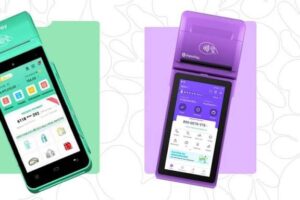
- OPay has a wider range of POS devices available — from mini models (around ₦8,500) to smart POS units (up to ₦50,000). This tiered pricing lets more agents get started at lower costs..PalmPay’s POS devices usually sit in a more consolidated range — around ₦30,000 to ₦60,000 depending on model and features.
Customers and agents regularly report that OPay’s network coverage and terminal reliability are stronger, especially in areas with fluctuating connectivity. The automatic reversal feature on OPay when a transaction fails due to low signal is particularly useful in parts of Nigeria with inconsistent data networks. This doesn’t always make OPay cheaper on every single transaction, but it reduces downtime and indirect costs, making POS operations more resilient.
Real Costs Behind Common Transactions
In actual use, here’s what people see happening:
- Wallet‑to‑Wallet transfers: Free within the same app (OPay to OPay or PalmPay to PalmPay).
- Wallet to bank: A few naira up to around ₦50 depending on amount and platform.
- Big transfers (₦10,000+): Will always incur the ₦50 government stamp duty regardless of platform.
- ATM card issuance: OPay typically cheaper via agent channel, PalmPay slightly higher issuance fee.
- POS transactions: Both charge ~0.5% for withdrawals and small flat fees for deposits and transfers; device costs differ significantly.
The bottom line is that neither platform has hidden fees, but the way fees are structured can affect users differently depending on transaction type, frequency, and ecosystem.
Read Also
Which Platform Saves You More Money?
- If you transfer money to bank accounts frequently, PalmPay usually saves you a few naira per transaction.
- If you send money to friends or family who use the same app, then OPay’s free intra‑wallet transfers are tough to beat.
For agents and businesses who rely on POS services, OPay’s device options and better network performance often translate to less downtime and therefore higher effective revenue — even if per‑transaction fees are similar.
By 2026, fintech fees have become more structured and transparent in Nigeria. PalmPay and OPay have both matured from their early days of heavy promotions to more sustainable pricing models that reflect, Government‑mandated stamp duties and tax obligations, Market demands for low‑cost transfers and POS reliability.
The need for competitive device pricing and ecosystem benefits.
For most Nigerians, both PalmPay and OPay will continue to be cheaper than traditional banks, especially for everyday transactions and POS services. The choice comes down to use case: PalmPay for cost‑efficient bank transfers, OPay for broader POS reach and robust wallet transfers. Understanding these fee mechanics — not just the numbers — is what separates informed users from guesswork.












Comments