
Transfer Pending Causes & Fixes (All Banks)
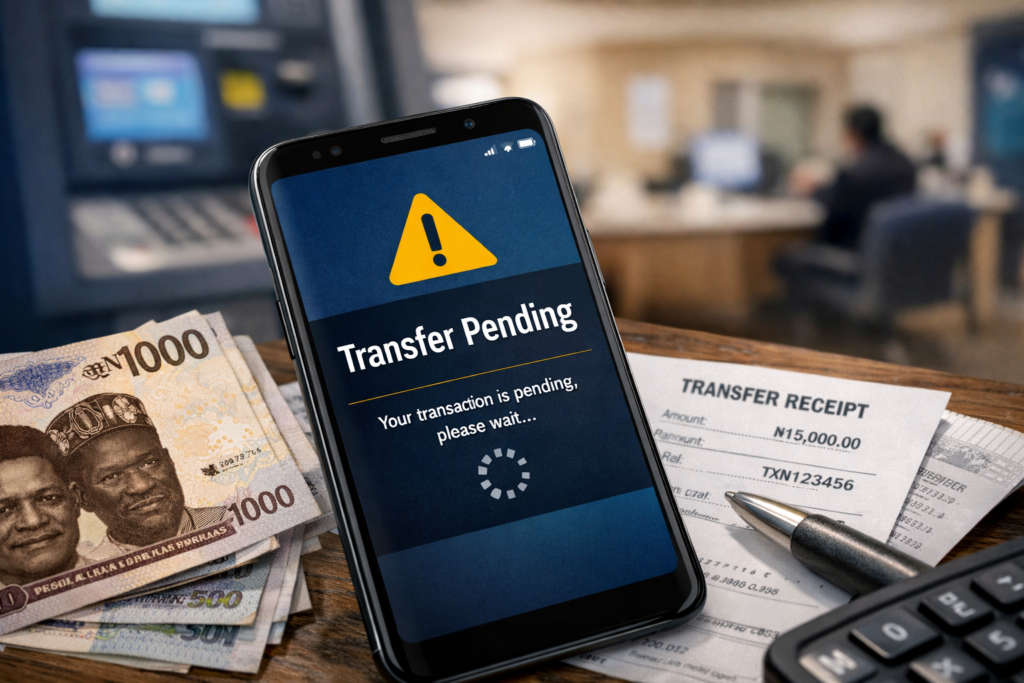

Transfer pending causes in Nigeria explained. Learn why bank transfers stay pending, how long reversals take, and step-by-step fixes for all Nigerian banks.
Transfer pending causes in Nigeria are one of the most common banking complaints today. You initiate a transfer, your account gets debited, but the recipient does not receive the money. Instead, the transaction shows “pending”, “processing”, or “in progress”. A pending transfer means the transaction has been initiated but not fully completed between the sending bank, the receiving bank, and the payment system handling the transaction. This situation can happen across all Nigerian banks, including commercial banks, digital banks, and fintech platforms.
This can happen for many reasons — technical, operational, or security — and in most cases the funds are recoverable if you follow the correct steps.
How long should a pending transfer take to resolve in Nigeria?
Central Bank of Nigeria (CBN) rules and industry circulars require quick reversals for failed electronic payments: where instant reversal fails, manual reversal timelines are short (many CBN circulars set a 24–72 hour target for resolving failed ATM/POS/web refunds and dispute cases). That means many pending cases should be resolved within 24–72 hours, but complex cases (interbank routing, cross-border or fraud investigations) can take longer.
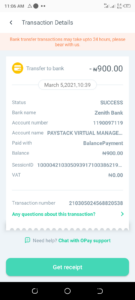
Common Transfer Pending Causes in Nigeria: The major transfer pending causes in Nigeria across all banks.
- Receiving Bank Network Issues : If the beneficiary’s bank is experiencing downtime, system upgrades, or internal errors, transfers sent to them may remain pending until service is restored.
- Interbank Network or Switch Failure: Most bank transfers in Nigeria pass through shared payment systems. When these switches experience delays or communication errors, transfers can hang in a pending state.
- Bank Cut-Off Time and Non-Business Days: Transfers initiated late at night, during weekends, or on public holidays may stay pending until the next business day, especially for large amounts.
- Insufficient or Uncleared Funds: If the funds in the sender’s account are not fully cleared or exceed transfer limits, the transaction may not complete successfully.
- Fraud Detection and Security Review: Banks automatically flag suspicious transactions. Large amounts, unusual patterns, or rapid multiple transfers may trigger a manual review, causing delays.
- Incorrect Beneficiary Details: A wrong account number, mismatched bank name, or invalid routing can cause the system to hold the transfer pending instead of completing it.
- Transaction Timeout: Poor internet connection or app interruption during transfer processing can result in a timeout, leaving the transaction pending until the system resolves it.
How Long Should a Pending Transfer Take in Nigeria?In most cases, pending transfers are resolved within 24 to 72 hours. This timeframe covers automatic reversals, interbank confirmations, and manual checks.
However, delays may occur if:
- The transaction is under fraud investigation
- It involves a third-party payment platform
- Required documentation has not been submitted
- Keeping your transaction details is essential for faster resolution.
What to Do When Your Transfer Is Pending (Step-by-Step Fix)
If you are affected by transfer pending causes in Nigeria, follow these steps immediately:
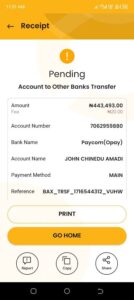
Step 1: Save Transaction Evidence
- Take screenshots showing
- Transaction reference number
- Date and time
- Amount
- Beneficiary details
This information is required for complaints and escalations.
Step 2: Check Bank Alerts
Visit your bank’s app or official communication channels to confirm if there is a known service outage or maintenance issue.
Step 3: Wait for Processing Window
If the transfer was made late at night, during weekends, or on a public holiday, allow at least one business day before escalating.
Step 4: Contact Your Bank
Reach out through customer care, live chat, or a physical branch. Provide your transaction reference and request a complaint ticket.
Step 5: Follow Up and Escalate
If there is no resolution within 72 hours, request escalation to the bank’s complaints unit. Always keep your complaint reference number.
Step 6: Use CBN Consumer Complaint Channel
If the bank fails to resolve the issue within a reasonable timeframe, escalate the matter to the Central Bank of Nigeria consumer protection platform with evidence.
Read Also: Complete Guide To Failed Bank Transactions In Nigeria
How to Prevent Transfer Pending Issues in Nigeria
You can reduce the risk of pending transfers by following these tips:
- Double-check beneficiary account details before sending
- Avoid late-night or last-minute transfers for urgent payments
- Keep your KYC information updates
- Use reliable internet connections during transactions
- Avoid multiple rapid transfers that may trigger fraud checks
FAQS
Q1: What does transfer pending mean in Nigeria?
It means the transaction has been initiated but not completed between banks.
Q2: How long does transfer pending last?
Usually 24–72 hours, depending on the cause.
Q3: Will I lose my money if a transfer is pending?
No. Most pending transfers are reversed or completed.
Q4: Can banks reverse pending transfers automatically?
Yes, many reversals happen automatically once the issue is resolved.
Q5: When should I contact my bank?
If the transfer remains pending beyond 24 hours.
Q6: Can I escalate a pending transfer complaint?
Yes. You can escalate to your bank’s complaints unit and then to the CBN if needed.
Key Takeaways
- Transfer pending in Nigeria is usually temporary, not a permanent loss of funds. Most cases are resolved or reversed within 24–72 hours.
- Common transfer pending causes in Nigeria include bank network downtime, interbank processing delays, security checks, incorrect beneficiary details, and transfers made outside business hours.
- Always keep your transaction reference and screenshots. These details are essential when reporting a pending transfer to your bank or escalating a complaint.
- Contact your bank immediately if a transfer remains pending beyond 24 hours, and ensure you receive a complaint or ticket number.
- Preventive actions reduce delays—double-check account details, avoid late-night transfers for urgent payments, and keep your account KYC information updated.
Conclusion : Transfer pending causes in Nigeria are frustrating, but they are rarely permanent losses. In most cases, a pending bank transfer occurs due to network delays, interbank processing issues, security checks, or transfers made outside official banking hours. Understanding how the Nigerian banking system processes electronic transfers helps customers respond calmly and take the right steps without panic.
When a transfer remains pending, the most important actions are to keep your transaction details, contact your bank promptly, and follow the correct escalation process if the delay exceeds the standard resolution timeframe. Nigerian banks are required to investigate and resolve failed or pending electronic transactions, and most debited funds are either completed or reversed once the issue is identified.
To reduce future occurrences, customers should always double-check beneficiary details, avoid urgent transfers late at night, and ensure their account information and KYC status are up to date.











Comments