
USSD Transfer Failed But Money Deducted: What To Do

USSD banking has become one of the most widely used financial services in Nigeria. With simple codes like *737#, *901#, *919#, and *894#, millions of Nigerians can send money, pay bills, and check balances without internet access. However, one recurring issue users face is USSD transfer failed but money deducted.
This situation can be alarming, especially when the money is urgently needed. The good news is that in most cases, the money is not lost permanently. This guide explains why USSD transfers fail, what steps to take immediately, Nigerian bank reversal timelines, and how to avoid future issues.
A USSD transfer failure occurs when you initiate a transaction using your bank’s USSD code, but the transaction does not complete successfully. You may see an error message, experience a network interruption, or receive no confirmation—yet your account balance reflects a debit.
These failures are usually classified as pending or unsuccessful transactions, meaning the system has not fully processed the transfer.
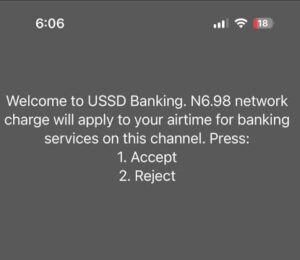
Why USSD Transfers Fail but Money Is Deducted
- Poor GSM Network Connectivity: USSD transactions depend entirely on mobile network signals. If the signal drops during the transaction, the process may stop midway while still placing a temporary debit on your account.
- Bank System Downtime: Nigerian banks periodically perform maintenance or experience system overload, especially during peak hours. When this happens, USSD requests may fail after debiting the sender.
- Session Timeout: USSD sessions are time-sensitive. Delays while entering options or PINs can cause the session to expire, leading to a failed transaction with a debit.
- Interbank Transfer Errors: Transfers between different banks require coordination between multiple systems. If the receiving bank’s server is unavailable, the transfer may fail.
- Duplicate or Rapid Transactions: Retrying a transfer too quickly after a failure can confuse the system and result in multiple pending debits.
Is Your Money Gone Forever?
NO. If the recipient did not receive the money, the transaction is usually reversed automatically. Nigerian banks operate under settlement and reconciliation systems that identify failed transactions and refund customers accordingly.
Permanent loss only occurs if:
- The transfer was actually successful
- The recipient received the funds
- Incorrect recipient details were confirmed

What To Do Immediately After a Failed USSD Transfer
- Stay Calm and Avoid Repeating the Transaction: Repeating the transfer immediately can result in double or multiple debits.
- Check Your Account Balance: Confirm the debit using Bank USSD balance code, Mobile banking app, ATM inquiry
- Confirm With the Recipient: Ask the recipient to verify if the money was credited. If they received it, the transaction was successful.
- Record Transaction Details: Write down or screenshot Date and time, Amount sent, Recipient account number, USSD code used
These details will be required if you contact customer support.
Read Also: Complete Guide To Failed Bank Transactions In Nigeria
USSD Transfer Reversal Timelines
Same bank transfer : Minutes to 24 hours
Interbank transfer: 24 to 72 hours
Weekends/Public holidays: Up to 3–5 working days
Most Nigerian banks process reversals automatically, without customers filing complaints.
When Should You Contact Your Bank?
You should contact your bank if:
- 24 hours have passed for same-bank transfers
- 72 hours have passed for interbank transfers
- The debit is still reflecting in your account
How To Report a Failed USSD Transaction
Step 1: Reach Customer Support
Use any of the following:
- Official customer care numbers
- Mobile app chat support
- Email support
- Verified social media accounts
Step 2: Provide Transaction Information
Submit:
- Account number
- Transaction amount
- Date and time
- Recipient details
Step 3: Follow Up
If unresolved after several working days, request escalation within the bank’s complaint resolution system.
USSD Transfer Failure Can Be Prevented By:
- Transfer During Off-Peak Hours: Early mornings and late nights usually experience less network congestion.
- Ensure Strong Network Signal: Avoid making transfers in areas with weak GSM coverage.
- Complete USSD Prompts Quickly: Delays increase the chances of session timeout.
- Avoid Multiple Attempts: Always confirm your balance before retrying a failed transfer.
- Use Mobile Apps for Large Transfers: Bank apps provide better confirmation, transaction history, and dispute tracking.
Frequently Asked Questions (FAQs)
Q1: How long does USSD reversal take in Nigeria?
Most reversals occur within 24–72 hours, depending on the transaction type.
Q2: Can a failed USSD transfer be reversed automatically?
Yes. Automatic reversals are common for failed transactions.
Q3:Can USSD failure cause double debit?
Yes, especially if you retry immediately without confirming your balance.
Q4: Is it safe to continue using USSD banking?
Yes. USSD banking remains safe and regulated, despite occasional failures.
Key Takeaways
- USSD transfer failures are common in Nigeria
- Money deducted is rarely lost permanently
- Most reversals happen automatically
- Avoid repeated attempts after failure
- Contact your bank if delays exceed reversal timelines
Conclusion: To minimize future occurrences, users should adopt safer USSD banking practices such as transferring funds during periods of strong network connectivity, avoiding repeated attempts after a failed transaction, and using mobile banking apps for large or time-sensitive transfers. Staying informed about how USSD banking works and knowing the appropriate steps to take when issues arise empowers customers to manage their finances more effectively. With the right knowledge and timely action, USSD banking in Nigeria remains a reliable and convenient option for everyday money transfers.










Comments