
Beyond Oil: Experts Push Fresh Reform Agenda to Secure Nigeria’s Financial Future

Nigeria’s economy is at a critical juncture. As the world’s economic landscape shifts, experts and policymakers are strongly pushing for deeper policy reforms and structural diversification to strengthen the nation’s financial stability and reduce its historical over dependence on oil revenue.
Despite recent gains from macroeconomic adjustments, analysts warn that much more needs to be done if Nigeria is to achieve resilient, inclusive growth in the coming decade.
The Core Challenge: Oil Dependence and Financial Vulnerability
For decades, Nigeria’s federal revenue and foreign exchange earnings have been overwhelmingly tied to crude oil exports. This over reliance makes the economy highly susceptible to global oil price volatility, currency pressures, and external shocks a risk that has been repeatedly underscored by economists and international bodies.
According to analysts, recent oil price dips pose a major threat to fiscal stability, potentially weakening revenue flows, slowing growth and amplifying inflationary pressures. Experts have stressed that this scenario resembles past downturns, where sharp oil price falls triggered contractions in growth and broader economic stress.
Calls for Diversification and Structural Reforms
To break the cycle of oil dependence, experts are consistently urging the government to adopt a multi pronged reform strategy, including:
- Boosting Non-Oil Revenue and Local Production
At a high profile economic event, finance and accounting professionals warned that persistent high inflation, exchange rate volatility and oil dependence constrain sustainable growth. They emphasized that strengthening local production, agriculture, manufacturing, and services is critical to expand non oil revenue sources.
Industry voices also argue that manufacturers should lead efforts to diversify foreign exchange earnings by focusing on export-oriented and value-added products, moving beyond crude oil.
- Deepening Fiscal and Monetary Policy Reforms
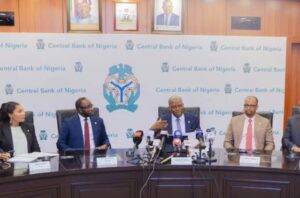
The Central Bank of Nigeria’s ongoing foreign exchange (FX) policy reforms have introduced a more flexible, market determined exchange rate system that supports broader economic activity and helps cushion shocks from external imbalances. Such reforms are seen as key to enhancing macroeconomic stability and expanding non-oil exports.
Likewise, policymakers have removed costly fuel subsidies and tightened monetary policies moves that, while painful in the short term, have strengthened public finances and redirected resources to productive sectors.
- International Validation of Reform Progress
Major international organisations have noted Nigeria’s reform efforts but also highlighted ongoing vulnerabilities:
- The International Monetary Fund (IMF) has commended Nigeria for critical policy shifts including fiscal discipline and foreign exchange liberalisation while cautioning that growth remains vulnerable to low oil prices and global uncertainties.
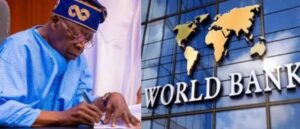
The World Bank supports Nigeria with financing aimed at strengthening macroeconomic frameworks, raising non-oil revenues and protecting development outcomes. However, it stresses that sustained reform momentum is essential to translate economic gains into broad-based improvements in livelihoods.
Why Diversification Matters for Financial Stability
Diversification isn’t just an economic buzzword it’s a financial imperative for Nigeria. Current revenue streams from oil are unpredictable, and global shifts toward energy transition and climate policy suggest that the age of heavy oil reliance is waning. As such:
- Analysts argue that strengthening the non-oil economy builds resilience against external shocks and reduces fiscal volatility.
- Expanded non-oil sectors such as agriculture, technology, services and manufacturing create jobs, broaden the tax base, and attract foreign investment.
- Diversification efforts can enhance Nigeria’s foreign exchange buffers, lower inflation pressures, and improve creditworthiness in international markets.
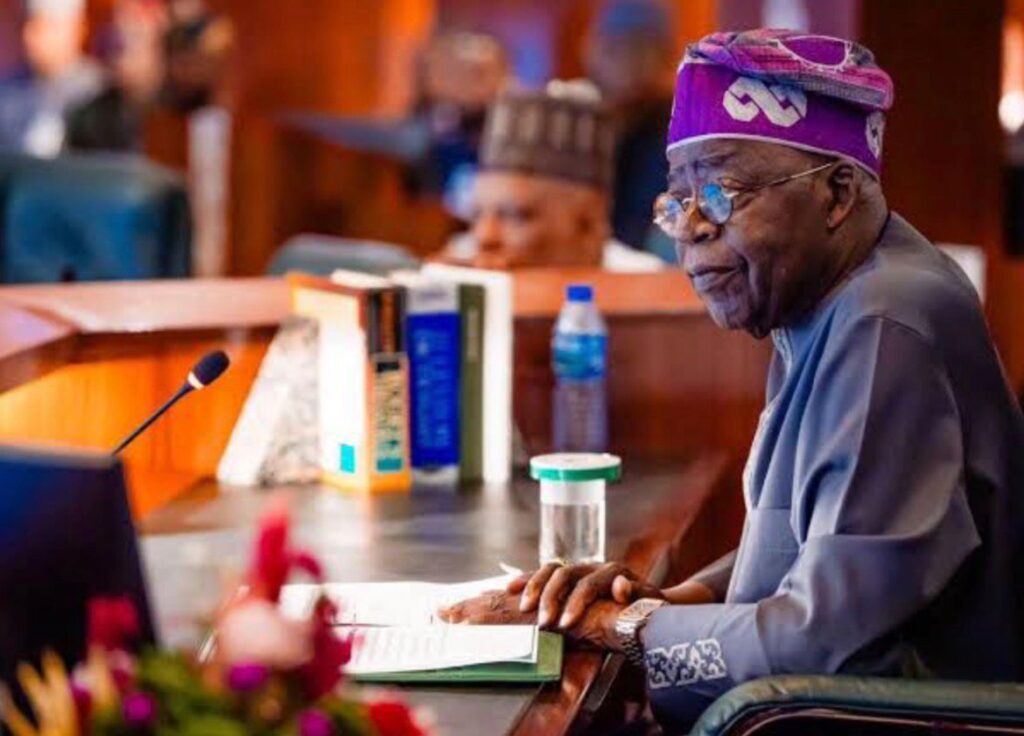
This strategic shift is now coming from the highest levels of government. At the first National Economic Council meeting of 2026, leaders reiterated the need to accelerate non oil revenue generation and deepen stakeholder engagement in implementing diversification policies.
Challenges Still Ahead
Despite positive momentum, some economists warn that policy reform sustainability remains fragile. Experts at leading economic forums have cautioned against policy reversals, especially amid political transitions and election cycles, highlighting that inconsistent reforms risk undoing hard-won gains.
Punch Newspapers
Additionally, inflationary pressures, fiscal deficits and debt vulnerabilities persist, underscoring that structural reform not short-term fixes is key to long-term stability.
Conclusion: A Path Toward a Resilient Nigerian Economy
Nigeria’s journey to economic stability and diversification is well underway, supported by both domestic stakeholders and international partners. However, experts are unanimous: policy reform must deepen, diversification must accelerate, and structural weaknesses must be systematically addressed.
The success of Nigeria’s economic transformation will depend on:
Sustained commitment to macroeconomic reforms,
Expansion of non-oil revenue and productive sectors,
Strong fiscal policy frameworks,
Strategic international partnerships and investment,
With these elements in place, Nigeria can progress toward a more resilient, diversified and financially secure future reducing the economic risks of oil dependence for good.










Comments