Bonds and Sukuk Driving Growth in Nigeria’s Capital Market – DMO
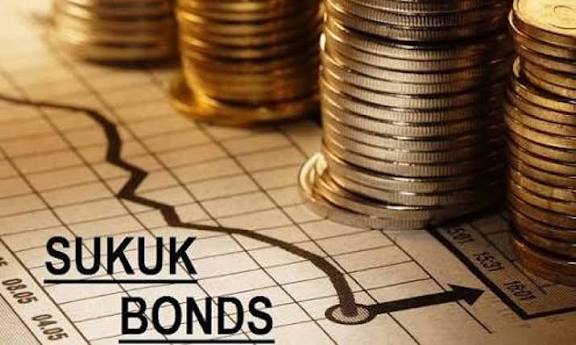

Nigeria’s capital market has seen a noticeable transformation with the expanding role of government bonds and Sukuk, the Debt Management Office (DMO) says, with these instruments helping to widen participation, deepen market activity and build investor confidence.
According to a statement by the DMO, the introduction of long‑term Federal Government of Nigeria securities such as bonds, Sukuk and Green Bonds has “helped to open Nigeria’s domestic capital market to more borrowers, including private companies and state governments,” underlining a broader strategy to deepen fixed‑income markets and attract diverse investors, including foreign capital.
The consistent issuance of government securities, guided by global best practices, has strengthened trust in the Nigerian debt market and contributed to broader investor engagement. The DMO noted that this approach has not only attracted institutional and retail investors but also positioned the market to absorb more complex instruments. Experts say that regular auctions and reliable payment structures send positive signals to investors, reducing perceived risk and encouraging longer‑term investment horizons.
Sukuk, which are Islamic finance‑aligned alternatives to conventional bonds, have emerged as particularly significant. The Federal Government’s Series VII Sovereign Sukuk recorded an unprecedented subscription level of more than 735 percent, with total subscriptions exceeding ₦2.21 trillion against an initial ₦300 billion offer. This overwhelming demand reflects strong market appetite for Shariah‑compliant investments and highlights the growing confidence in Nigerian capital market products.
Since its introduction in 2017, Sukuk issuance has raised over ₦1.09 trillion to support infrastructure development across the country.
The DMO reports that proceeds from Sukuk have been deployed to construct or rehabilitate thousands of kilometres of roads and multiple bridges, benefiting communities across Nigeria’s six geopolitical zones. These projects have delivered tangible socio‑economic benefits, including reduced travel times, improved road safety and expanded market access for rural producers.
Meanwhile, conventional Federal Government bonds remain a cornerstone of Nigeria’s capital market activity, accounting for the bulk of the nation’s domestic public debt and offering a critical source of financing for government operations.
Data from the DMO shows that Federal Government of Nigeria (FGN) bonds made up nearly 80 percent of total domestic debt stock at one point, demonstrating their dominance as a fixed‑income asset class.
The listing of Sukuk and bonds on exchanges such as the Nigerian Exchange Group (NGX) and the FMDQ Securities Exchange has also helped enhance secondary market liquidity, allowing investors to trade these instruments more easily and supporting price discovery.
Analysts say that this expanded market infrastructure encourages more active participation from local and international investors, boosting the depth and resilience of Nigeria’s capital markets.
Investors continue to show strong interest in these government securities, drawn by comparatively stable returns and the perception of lower risk amid economic and inflationary pressures.
In 2025, the DMO raised over ₦5.26 trillion through bond issuances to support the federal government’s budget financing needs, further signaling robust market participation despite challenging macroeconomic conditions.
As these instruments continue to evolve, they are expected to further deepen market activity, foster investor confidence and support the country’s long‑term economic growth.









Comments