
Banks Hold Record ₦2.78 Trillion in Liquidity Amid CBN Withdrawal Efforts
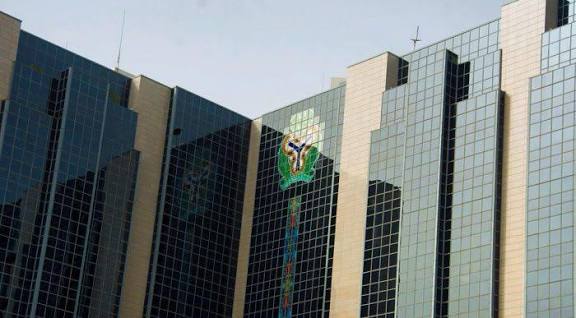

Liquidity in Nigeria’s financial system expanded sharply to ₦2.78 trillion, marking a 31.75% increase from the previous week’s ₦2.11 trillion even amid aggressive liquidity‑mopping operations by the Central Bank of Nigeria (CBN).
The surge underscores a powerful dynamic in the domestic markets one that is seeing ample cash flow maintained across key financial segments despite ongoing monetary tightening intended to curb excess money supply.
What Drove the Liquidity Expansion?
Analysts at Cowry Assets Management Limited point to a confluence of market forces lifting liquidity levels:
- High maturity inflows from Nigerian Treasury Bills (NTBs) totaling around ₦2.2 trillion were credited with significantly bolstering system cash balances.
- These inflows more than offset the liquidity debits arising from the week’s ₦1.06 trillion NTB auction sales and ₦1.3 trillion Open Market Operations (OMO) bill settlements.
Typically, NTB maturities return funds to the banking system when short‑term government securities reach term, but they also signal high investor engagement with fixed‑income instruments a response that’s partly driven by persistent inflation and market yields.
CBN’s Tightening Playbook and Market Realities
The CBN’s liquidity management strategy has relied heavily on OMO auctions and Treasury bill sales to absorb excess cash a cornerstone of contractionary monetary policy aimed at moderating inflation and stabilizing the naira.
In 2025, the apex bank significantly scaled up OMO activity, with cumulative liquidity withdrawals rising sharply compared to the previous year as part of a broader effort to tighten money supply and anchor price stability.
Yet despite these measures, the banking system has continued to exhibit robust liquidity surpluses:
In the run‑up to the 2025 festive season, banks deposited an estimated ₦3.7 trillion into the CBN’s Standing Deposit Facility (SDF) an indication that surplus cash was being parked with the apex bank rather than deployed into credit markets.
And in the early weeks of 2026, banks contributed ₦33.05 trillion through the SDF window, reflecting both cash abundance and cautious lending amid slower economic activity.
These deposits highlight a persistent disconnect: even as CBN attempts to mop up funds, commercial banks’ liquid reserves remain elevated, driven by limited credit offtake and broader economic headwinds.
What It Means for Markets and Investors
The liquidity uptick carries both opportunities and market signals:
- Money Market Interest Rates & Yields: The abundance of system cash has implications for short‑term rates. While CBN mop‑ups typically support higher yields, strong liquidity can temper rate volatility, offering investors more predictable returns on instruments like NTBs and OMO bills.
- Risk‑Averse Lending Behavior: High bank deposits at the CBN point to risk aversion in the banking sector. With businesses still navigating a sluggish economic start to 2026, lenders appear reluctant to commit funds to credit choosing instead to hold excess reserves.
Broader Monetary Policy Outlook
The continued liquidity expansion suggests the CBN may need to reassess its approach, balancing liquidity drainage with support for productive lending. A persistently high cash base can complicate inflation control and exchange rate stability objectives, particularly if broad money supply continues to rise.
Conclusion
Nigeria’s financial markets are currently at an intriguing juncture: liquidity levels have climbed significantly even as the CBN intensifies efforts to withdraw excess funds from the system. This paradox reflects dynamic interactions between government securities maturities, investor activity, bank behaviour and monetary policy execution.
For market participants from fixed‑income investors to financial institutions understanding these flows is crucial as 2026 unfolds. The challenge for policymakers now is to ensure structural liquidity aligns more closely with broader goals for inflation, credit growth and economic stability all while maintaining confidence in Nigerian financial markets.











Comments