
Costly Coastal Transport May Push Petrol to ₦1,000/Litre, Dangote Refinery Cautions
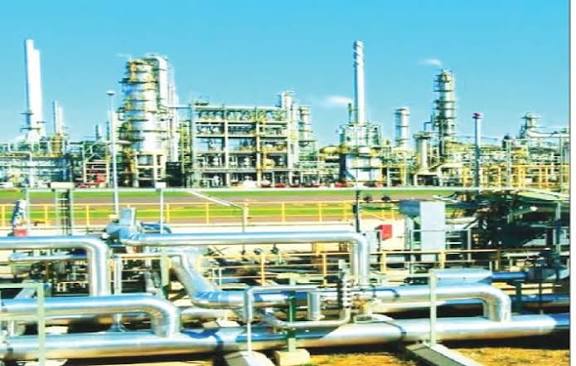

Nigeria’s energy sector is facing renewed concerns over fuel affordability as the Dangote Petroleum Refinery has cautioned that continued reliance on costly coastal logistics for moving refined products could push petrol prices close to ₦1,000 per litre at the pump if the extra costs are passed on to consumers.
The warning underscores growing tensions between distribution choices and national efforts to sustain cheaper fuel through domestic refining.
In a statement issued this week, Dangote Refinery stressed that while marketers are free to choose their preferred product evacuation methods, coastal logistics particularly in and around Lagos introduce avoidable expenses that have significant implications for final fuel prices and consumer welfare.
The company estimates that transporting petrol by sea could add about ₦75 per litre to the cost of Premium Motor Spirit (PMS), meaning that current pump prices which have recently trended between about ₦839 and ₦900 per litre could climb sharply if such costs are absorbed by consumers.q
The refinery’s position is rooted in the economics of evacuation. Dangote operates a world-class gantry facility with 91 loading bays capable of handling up to 2,900 tankers daily, enabling direct truck evacuation that avoids port charges, maritime levies and vessel-related costs inherent in coastal shipping.
1According to the company, prioritizing gantry loading over coastal delivery helps eliminate unnecessary charges, supports distribution efficiency and contributes to greater price stability in the downstream sector.
Nigeria’s average daily consumption remains high, at roughly 50 million litres of petrol and 14 million litres of diesel. Based on these figures, Dangote calculates that pervasive use of coastal logistics could impose an additional annual cost burden of about ₦1.75 trillion on the economy, a cost that would ultimately be borne by producers or end users if current practices persist.
Energy analysts say this stark cost contrast presents a dilemma for policymakers and marketers alike. Coastal evacuation is often used when pipeline delivery or gantry access is limited, but its mounting cost penalties raise questions about sustainable logistics planning in Nigeria’s fuel supply chain.
Critics argue that without expanded pipeline infrastructure linking refineries directly to inland distribution depots, the country will continue to struggle with high distribution costs that undercut the benefits of local refining.
The refinery also used the occasion to reaffirm the broader advantages of domestic production. Since Dangote Refinery began operations, Nigeria has seen a marked reduction in fuel import dependence, easing pressure on foreign exchange reserves and contributing to relative stability in the naira.
Diesel prices, for example, have reportedly fallen from as high as ₦1,700 per litre to a range between ₦980 and ₦990, while petrol has been trading lower than previous heights of around ₦1,250 per litre.
As Nigeria navigates its post-subsidy era and grapples with logistics costs, the debate over optimum distribution strategies is escalating.
Dangote’s warning highlights not just the immediate price risk but also a broader call for investment in more cost-efficient transport infrastructure to secure affordable fuel for consumers and strengthen the resilience of the national energy market.
Read Also :
- Dangote Refinery Saves Nigeria Over ₦10bn in Forex Annually as Local Fuel Production Expands
- NNPC Cuts Pump Price of Petrol by ₦15 in Response to Market Pressure










Comments