
Current GBP/NGN Exchange Rate Today — January 30, 2026
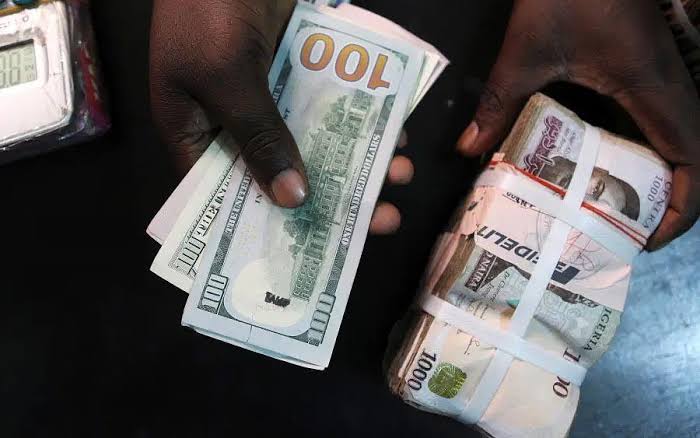

As Nigeria closes out January 2026, the British Pound Sterling (GBP) continues to trade at significant levels against the Nigerian Naira (₦), highlighting ongoing currency market dynamics shaped by domestic policy reforms, global economic trends, and demand pressures from individuals and businesses.
Official Market (NFEM / CBN Window)
• The British Pound opened trading in the Nigerian Foreign Exchange Market (NFEM) at about ₦1,916.25.
• During intraday trading, the rate oscillated between ₦1,909.70 and ₦1,917.35, before settling at approximately ₦1,912.64 by mid-morning on January 30.
This rate reflects a relatively stable FX session, especially when compared with the volatility seen during late 2025, when Pound-to-Naira rates ranged well above the ₦2,000 mark.
Parallel (Black Market) Rate
In Nigeria’s informal FX market often referred to as the parallel market the Pound Sterling is trading at a premium:
- Roughly ₦2,010 to ₦2,025 per £1: Alternative parallel market data also places the black market sell rate around ₦2,030 for £1, indicating a slight upward movement in street rates.
- Narrowing Gap Between Official and Parallel Markets: One of the most notable developments as January ends is the shrinking spread between official and parallel FX rates. Historically, parallel rates traders (commonly known as Aboki FX operators) have quoted large premiums due to liquidity shortages and CBN restrictions. However, recent data suggests a more balanced market, reflecting improved liquidity and FX supplies.
Signs of Naira Resilience
Analysts interpret the relative stability with the official rate hovering around the ₦1,900 level as an indicator that the naira is regaining some confidence after prolonged turbulence in 2024 and 2025. This is supported by improvements in forex inflows, external reserves and tighter monetary management.
Demand Drivers Still in Play
Despite the narrowing gap and improved liquidity, demand for Pound Sterling remains strong. Key drivers include:
- Education-related transfers (tuition and living expenses).
- Travel allowances for Nigerians traveling abroad.
- Corporate international transactions.
Why the Pound-Naira Pair Matters
The GBP/NGN exchange rate is more than just a number — it is a barometer of economic confidence, particularly in an economy like Nigeria’s where foreign exchange underpins trade, investment, travel and remittances. Here’s why fluctuations matter:
- International Trade and Import Costs: Britain remains an important trading partner for Nigeria — imports of machinery, finished goods and services priced in GBP mean that any depreciation of the naira increases import bills, potentially adding inflationary pressure.
- Remittances and Diaspora Flows: Millions of Nigerians in the UK send funds home regularly. A stronger Pound can boost remittance values in naira terms, supporting household incomes. Conversely, volatility can complicate planning for families and businesses.
- Forex Market Confidence: The narrowing spread between official and parallel rates is often interpreted as a sign that market reforms including greater transparency and liquidity management are taking effect, which could attract more investors to Nigeria’s FX market over time.
- CBN Policies and Liquidity Measures: Efforts to manage liquidity via systems like EFEMS and improved reserve buffers have fostered stability in the official market.
- External Economic Conditions: Global economic trends, including Pound Sterling performance against the U.S. Dollar, will indirectly influence how GBP fares against the Naira. A stronger Pound internationally can translate into higher demand and value against NGN.
Nigeria Oil Earnings
Nigeria’s FX earnings are heavily tied to oil exports, so crude price fluctuations and export volumes have ripple effects on foreign currency availability, impacting supply for FX markets.
Final Takeaway
As of January 30, 2026, the Pound to Naira exchange paints a nuanced picture:
- The official GBP/NGN rate stabilized around ₦1,912 – ₦1,916 per £1.
- The parallel market rate remains higher, ranging broadly from ₦2,010 to ₦2,030 per £1.
And the gap between official and parallel rates is narrower than in recent months signalling improved market balance and policy impact.
For businesses, travelers, investors and everyday Nigerians, staying abreast of these movements is essential as the FX landscape continues to evolve into February and beyond.











Comments