
Dollar to Naira Exchange Rate Today, January 26, 2026: Official and Parallel Market Prices
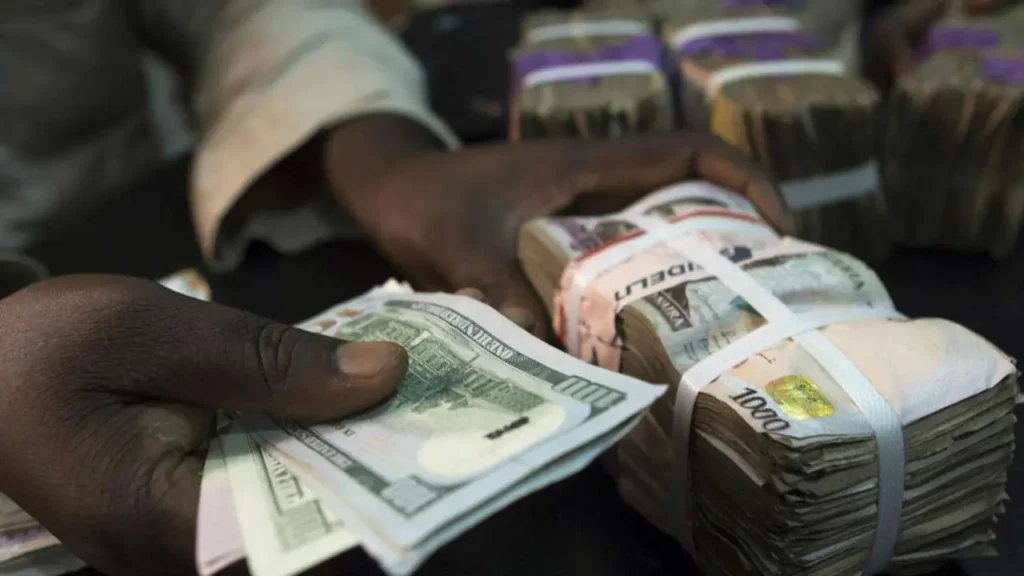

The Nigerian naira opened the final week of trading with clear signs of stabilizing performance against the United States dollar, a development that is drawing close attention from corporate treasurers, importers and everyday Nigerians grappling with the cost of basic goods and services.
Across official and informal markets, currency quotations showed a tighter range and less erratic movement than in prior months, suggesting a modest easing of the volatility that marked much of late 2025.
Foreign exchange market, the naira was quoted at around ₦1,410 to ₦1,421 per $1 in the official investors and exporters (I&E) window early on Monday, indicating a strengthened position relative to last week’s close, and reflecting improved dollar liquidity that analysts attribute to factors such as increased crude oil inflows and measured interventions by the Central Bank of Nigeria (CBN).
Meanwhile, on the parallel (informal) market commonly tracked by Aboki FX and BDC operators the story remains one of higher nominal rates, but reduced volatility compared with previous periods of acute divergence.
Parallel Market Range: ~₦1,475 – ₦1,490 per $1 USD in Lagos, Abuja and other major currency hubs.
While still above official rates, the premium in the informal market is not as wide as historical extremes, suggesting that available dollar supply for retail needs particularly for travel and small business is meeting day-to-day demand.
Drivers Behind the Current Rates
Several underlying factors are shaping the FX landscape:
- Crude Oil Revenues: Nigeria’s dependence on oil continues to link FX liquidity to swings in global oil prices. Sustained exports contribute to inflows that support official reserves.
- Foreign Portfolio Interest: Renewed foreign investor appetite, particularly in Nigerian debt and equities, is adding to FX supply.
- Liquidity Improvements: FX backlog clearances and renewed banking-sector participation have eased bottlenecks that suppressed supply in late 2025.
This backdrop implies that while official and parallel rates may hold around current levels for the early part of 2026, significant shifts will depend on global macroeconomic conditions, oil market dynamics and domestic monetary policy outcomes











Comments