
FG Clears ₦185 Billion Gas Debt to Revive Power Supply, Signal Boost for Energy Sector
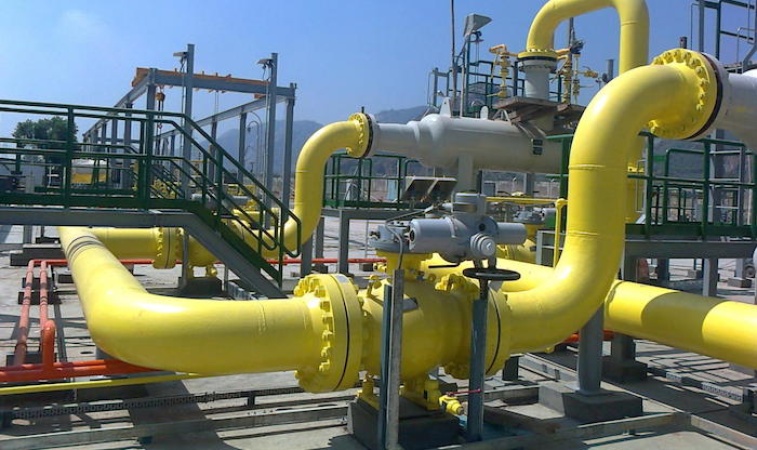

The Federal Government of Nigeria (FG) has officially kicked off the payment of ₦185 billion in long-standing debts to natural gas producers. The clearance was approved by the National Economic Council (NEC), chaired by Vice President Kashim Shettima, following a directive by President Bola Ahmed Tinubu.
The debt — owed for past gas supply to power-generation firms — has for years constrained cash flow, discouraged new upstream investment, and ultimately reduced gas deliveries to thermal power plants.
This shortfall has been a major contributor to Nigeria’s persistent electricity supply issues.
According to the Minister of State for Petroleum Resources (Gas), Ekperikpe Ekpo, the settlement will be executed via a “royalty-offset arrangement.” He described the government’s move as a “decisive step towards revitalizing supreme Nigeria’s gas sector and strengthening its power-generation capacity sustainably.”
This intervention is part of the broader Decade of Gas agenda, through which the government aims to unlock more than 12 billion cubic feet per day (bcf/d) of gas supply by 2030. Clearing these arrears, the minister agrees it would rebuild investor confidence, accelerate upstream activities, and ultimately raise gas output to power plants — a critical precondition for stable electricity.
Commenting on the development observed, that Nigeria’s gas-to-power payment problem has been a longstanding drag on sector investment. The ₦185 billion clearance, they note, could help “ease liquidity pressures in the sector and improve electricity generation nationwide.”
By finally settling its legacy liabilities, the FG is sending a clear signal to both domestic and international gas producers — that supplies will be honoured. If implemented fully, this could unlock stalled projects, revive investor interest, and revive gas supply to thermal plants.
And for a country where power shortages have long dampened industrial growth and everyday economic activity, the benefits could be widespread: improved electricity, increased industrial output, more jobs, and overall economic competitiveness








Comments