
Kogi State Eyes ₦50bn Sukuk Issuance to Fund Airport, Markets
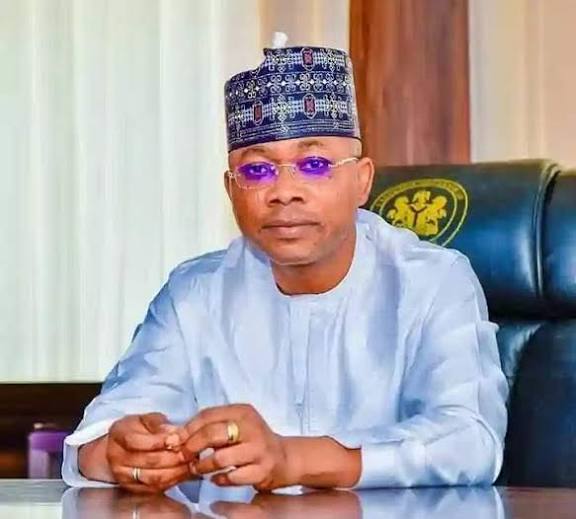

Kogi State’s plan to raise ₦50 billion through a sukuk issuance from March 2026 represents a calculated attempt to align infrastructure development with responsible public finance at a time when Nigerian sub-national governments are under growing scrutiny from investors. The proposed sukuk, which will be used to fund the construction of the Kogi State International Airport and the Lokoja International Market, reflects a deliberate shift toward asset-backed financing rather than deficit-driven borrowing.
The decision to adopt a sukuk structure is particularly notable. Unlike conventional bonds, sukuk instruments are tied to identifiable assets and structured to comply with Islamic finance principles, making them attractive to a broader pool of institutional and ethical investors. In recent years, sukuk has gained traction in Nigeria as a viable funding tool for infrastructure, especially where transparency, ring-fencing of proceeds, and clear project timelines are prioritized.
For Kogi State, this approach sends a signal that the administration is conscious of debt sustainability concerns and is seeking financing options that offer stronger investor confidence.
Details emerging from investor briefings suggest the sukuk will be issued at ₦1,000 per unit, with a tenor of between five and seven years, and distributed through a book-building process.
The transaction is expected to benefit from regulatory oversight by the Securities and Exchange Commission, Sharia advisory supervision, and independent project monitoring to ensure that funds are applied strictly to the designated projects.
In addition, the state is seeking the backing of an Irrevocable Standing Payment Order, which would allow debt servicing to be deducted directly from federal allocations, significantly lowering repayment risk.
Beyond the immediate financing, the planned sukuk reflects a broader trend among Nigerian states exploring capital market solutions to bridge infrastructure gaps amid tightening fiscal space.
With federal allocations under pressure and debt servicing costs rising nationwide, states are increasingly expected to demonstrate that borrowed funds are channeled into productive assets capable of supporting long-term growth. In this context, Kogi’s emphasis on infrastructure with potential revenue and economic spillovers is likely to resonate with cautious investors.
Nevertheless, the success of the issuance will ultimately hinge on execution. Market appetite will depend not only on pricing and structure but also on the credibility of project timelines, procurement processes, and ongoing disclosure.
Large-scale infrastructure projects, particularly airports, carry inherent risks related to cost overruns, delays, and operational viability. Investors will therefore be closely watching how the state manages implementation once funds are raised.
For Kogi State, the sukuk is more than a capital-raising exercise; it is a statement of intent. Whether it delivers on its promise will shape both investor perception and the state’s economic trajectory in the years ahead.






Comments