
Naira Rally Continues as British Pounds to Naira Stays Under ₦2,000/£


The Nigerian naira’s performance against the British pound sterling has remained under intense scrutiny, as the currency continues to trade below the N2,000/£ psychological threshold in both official and parallel markets this week.
According to the latest data from Nigeria’s foreign exchange markets, the pound has been quoted between approximately ₦1,903 and ₦1,906 per £1 on the official window and traded below ₦2,000 in the informal market, with rates clustering around ₦1,985–₦2,015/£1. These levels reflect a still fragile but relatively stable pattern after months of volatility in the currency markets.
Investors and traders in Lagos’s bustling foreign exchange ecosystem have noted that the sterling’s strength this year has been underpinned by global market dynamics – including a softer U.S. dollar index and ongoing geopolitical uncertainty that has kept the British pound buoyant relative to emerging market currencies.
Despite sustained demand for pounds in Nigeria’s forex market, the naira has not plunged past the N2,000 mark with the same ferocity seen in previous quarters.
Bureau de Change operators report that, while demand remains robust, the speculative pressure that once drove sharp swings in rate spreads has noticeably eased.
For many Nigerians and businesses that rely on currency stability for planning and trade, this sideways movement offers a cautious sense of relief. A recent exchange rate snapshot showed the pound trading around ₦1,856 on international transfer platforms, a figure that indicates broader alignment between local market performance and global trends.
That said, the backdrop to this relative calm remains one of deep structural challenges. Over the long term, the naira has suffered from persistent weakness against major currencies, driven by Nigeria’s dependency on imported goods, weak export performance outside the oil sector, and ongoing foreign exchange shortages.
Historical analysis shows that in past cycles the naira has at times crossed above N2,000 per pound, particularly during periods of forex scarcity and market stress.
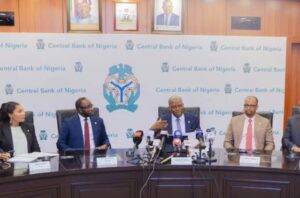
Central Bank of Nigeria (CBN) policy initiatives aimed at narrowing gaps between official and parallel market rates, improving FX liquidity and managing foreign reserves appear to be yielding incremental effects. Recent trends in the dollar-naira market where the naira has shown modest strength at official windows underline the complex interplay of monetary policy, investor confidence and trader sentiment that now shapes currency dynamics.
As Nigeria navigates these complex forces, the naira’s ability to remain below the N2,000/£ threshold may provide temporary respite for traders and importers. Yet, without deeper diversification of export earnings and sustained foreign exchange inflows, the currency’s performance against major global benchmarks like the British pound will continue to reflect broader macroeconomic vulnerabilities that policymakers still grapple with.











Comments