
Nigeria Breaks Decade-Long Food Inflation Cycle, Returns To Single Digits Amid Easing Cost Pressures
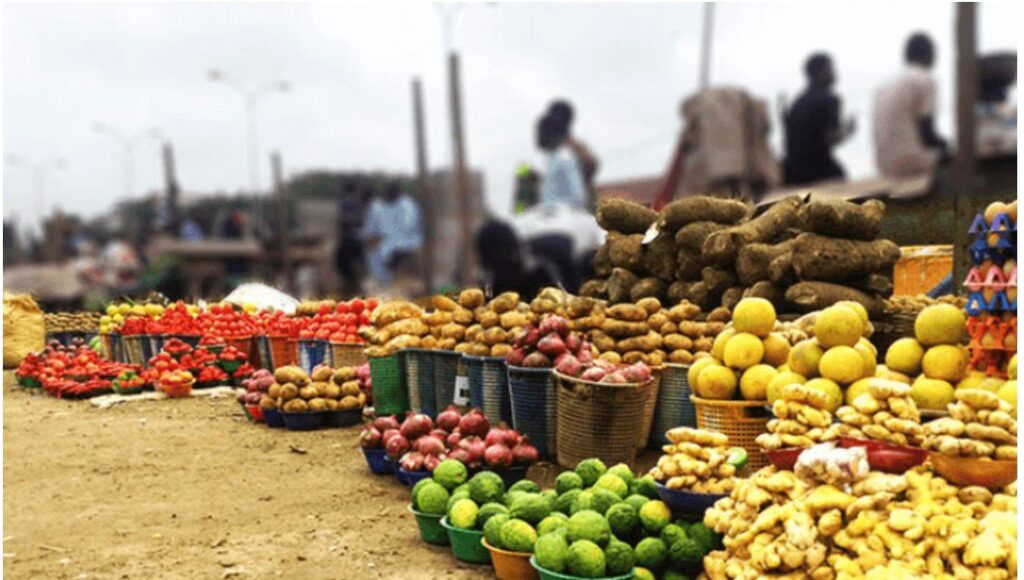

For the first time in more than 10 years, Nigeria’s food inflation has eased into single digits, offering a rare beacon of relief for households grappling with rising living costs.
According to the latest Consumer Price Index (CPI) report by the National Bureau of Statistics (NBS), food inflation declined sharply to 8.89 percent year on year in January 2026, marking its first single-digit reading since May 2015, and the lowest level in over 14 years.
What the Data Shows
The NBS report confirms a dramatic turnaround from the sustained inflationary pressures of recent years:
Food inflation dropped to 8.89 percent in January 2026, down from 29.63 percent in January 2025 a plunge of more than 20 percentage points.
This single digit reading is the first in 128 months, a milestone that reflects easing prices across key food categories.
On a monthly basis, food prices actually contracted by 6.02 percent, indicating not just slower inflation but real decreases in some staple costs.
Overall headline inflation also eased marginally to 15.10 percent in January, down from 15.15 percent in December 2025.
Drivers of the Decline
Analysts and market observers point to several key factors behind this welcome shift:
- Improved Harvests and Supply Conditions — Higher crop yields across major agricultural belts boosted supply of staples such as yam, eggs, maize, beans, cassava and palm oil, helping to reduce upward price pressure.
- Exchange Rate Stability — The Naira appreciated modestly against the U.S. dollar in January, lowering the cost of imported food items and inputs, which traditionally feed into retail prices.
- Temporary Import Waivers and Policy Support — Government measures temporarily waiving duties on select food imports helped ease logistics bottlenecks and widen market availability.
What This Means for Households
For millions of Nigerians, food remains the largest component of household spending, often consuming over half of monthly income. The move to single digit food inflation means:
- Lower cost pressures on essential food items, with some traders reporting noticeably cheaper prices in markets.
- Improved affordability, especially for low income families who spend a larger share of their income on food.
- A potential boost to discretionary spending if prices remain stable, supporting broader economic activity.
However, traders and economists caution that the decline may be partly seasonal driven by harvest cycles and not yet fully structural. Sustaining this trend will hinge on continued supply stability, security in farming regions, and investment in agricultural infrastructure.
Challenges Remain: Farmers and Production
While consumers are cheering the price relief, concerns have been raised about farm gate incomes. With retail food prices falling, many farmers are seeing reduced earnings, which could undermine future production capacity if left unaddressed. Experts stress the need for balanced policies that protect both affordability for consumers and profitability for producers.
A Broader African Context
Nigeria’s achievement mirrors similar trends across parts of Africa. Other nations have also seen food inflation moderation recently, underscoring improving continental supply dynamics and price behaviour though each country’s experience remains unique.
Outlook: Policy and Market Expectations
Economists expect the Monetary Policy Committee (MPC) of the Central Bank of Nigeria (CBN) to consider further policy rate adjustments in its upcoming meetings, given the downward inflation trajectory. Continued stability in the exchange rate and agricultural output will be key to sustaining single digit food inflation and anchoring inflation expectations.
Conclusion
After a decade of relentless pressure on household budgets, the return of single digit food inflation marks more than just a statistical milestone it signals a potential turning point in Nigeria’s inflation story. For millions of families, food prices are not abstract data points; they define purchasing power, savings capacity, and overall living standards. A sustained moderation in food costs could gradually rebuild consumer confidence and ease the social strain that high prices have imposed for years.
That said, the durability of this progress will depend on structural improvements in supply chains, agricultural productivity, foreign exchange stability, and security in food producing regions. If policymakers consolidate these gains and avoid complacency, Nigeria’s alignment with its African peers on food inflation could become the foundation for broader price stability. The real test now is consistency turning a welcome breakthrough into a lasting trend.












Comments