
Nigeria Stock Market Reaches New Highs as Risks Remain
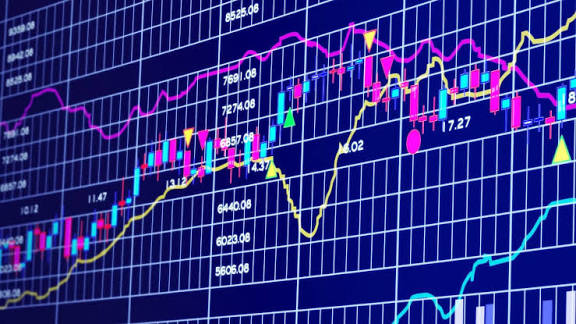

Nigeria’s stock market has captured both local and international attention, with headline-grabbing gains and renewed investor optimism shaping activity across the Nigerian Exchange (NGX). While the performance reflects strong interest in equities, deeper analysis reveals structural risks and uneven sectoral contributions that must temper exuberance.
The bullish momentum that defined much of 2025 has carried into the new year. By early January 2026, market capitalisation on the NGX exceeded ₦100 trillion, closing at ₦101.8 trillion, extending an already remarkable run of gains. Temi Popoola, Group Managing Director and CEO of the Nigerian Exchange Group, encapsulated the sentiment: “This milestone reflects the market’s growing depth, resilience, and capacity to respond positively to improving macroeconomic conditions and structural reforms.”
However, The continued upswing powered by both strong retail participation and institutional flows suggests a sustained appetite for Nigerian equities after years of relative stagnation.
Record 2025 Performance
The backdrop for the early-2026 rally was a historic 2025. According to The Will News, the NGX All-Share Index (ASI) surged 51.19 % over the year its best full-year showing since 2007 while total market capitalisation expanded from ₦62.76 trillion to ₦99.38 trillion.
This translated into real wealth creation for investors as Nigeria’s inflation rate eased from the mid-20 % range to just over 15 % by December, meaning equities outpaced inflation by a significant margin.
Sector contributions to the 2025 rally were broad but uneven:
- Consumer goods led the charge with a staggering 129.57 % return, driven by stocks like Guinness Nigeria and Honeywell Flour Mills.
- Industrial goods and banking stocks also delivered strong performance, the latter buoyed by recapitalisation efforts.
- Oil & gas, however, was the lone laggard, ending the year modestly lower amid global price volatility
Drivers of the Rally
Macroeconomic Reforms and FX Stability
The equity market’s resurgence isn’t happening in a vacuum. Ongoing macroeconomic reforms particularly around foreign exchange policy have reduced currency volatility, a long-standing deterrent for capital market players. Improved FX stability supports better earnings visibility for corporates, encouraging both portfolio and strategic investments.
Banking Sector Recapitalisation and Capital Raising
One of the most potent catalysts has been the ongoing banking sector recapitalisation mandated by the Central Bank of Nigeria (CBN), pushing banks to strengthen capital bases via rights issues and public offers. This not only fortifies balance sheets but also injects fresh liquidity into the market.
Breadth and Liquidity
Trading activity in 2025 hit multi-year highs, with both domestic and foreign portfolio investments climbing to their highest levels in nearly two decades and turnover exceeding ₦11.92 trillion.
Serious Caveats Beneath the Highs
Despite the success stories, several risks and limitations cloud the narrative:
- Volatility Still Present: The stock market remains sensitive to profit-taking and sentiment swings. For instance, a report from Nairametrics showed that the NGX recorded its first weekly decline of 2026, easing by 0.37 % in a single week and trimming market cap to about ₦105.9 trillion.
- Sector Imbalance: Although headline numbers are impressive, not all sectors contributed equally. The Oil & Gas Index, for example, finished 2025 in the red, even as the broader market posted historic returns — highlighting persistent weaknesses in the energy segment.
Structural and Currency Distortions
While local currency capitalisation has risen, translating these gains into hard currency terms tells a different story. Long-standing exchange rate weakness continues to dampen the dollar-value of equities, which matters for foreign investors and capital flight dynamics.
What It Means for Investors
- Long-Term Investors: For buy-and-hold participants, the recent gains reaffirm equities as an effective hedge against inflation when paired with disciplined stock selection and a long time horizon.
- Tactical Traders: Short-term traders can benefit from increased volatility and liquidity, but must closely monitor sector rotations and macro signals, as sudden reversals can quickly erase gains.
Looking Ahead
Market analysts remain cautiously optimistic for the rest of 2026. Headwinds such as global economic uncertainty, interest rate dynamics, and oil price fluctuations could temper growth. Yet catalysts like potential new listings and continued financial sector strengthening are likely to keep the NGX in the spotlight.
One seasoned market watcher put it succinctly: the current rally is “a market responding to reform,” and not merely speculative excess.
In short, Nigeria’s equities have delivered real success but the story is as much about navigating complexities as it is about celebrating milestones.









Comments