
Nigerian National Petroleum Company Limited Posts Robust Profits Amid Mounting N6.3trn Liability Concerns
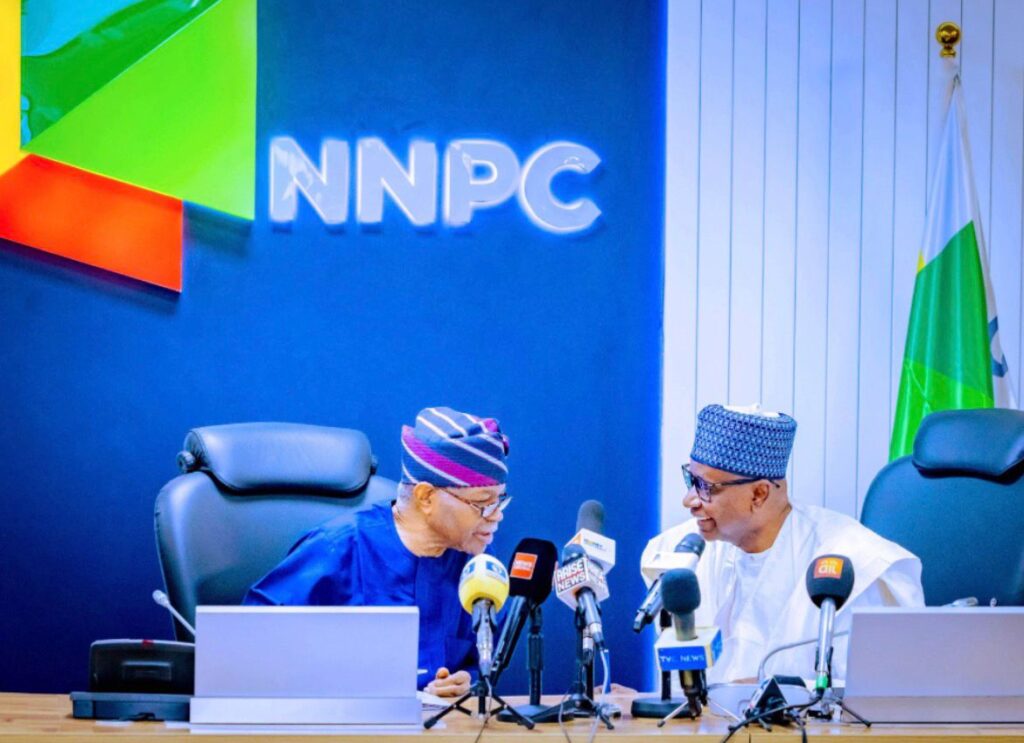

The Nigerian National Petroleum Company Limited (NNPC Ltd) has posted one of its most impressive financial performances in recent history, reporting strong profit growth and expanding revenue. Yet behind the headline numbers lies a growing and complex web of liabilities that market analysts warn could undermine the state oil firm’s financial health if left unaddressed.
Headline Financial Growth: Profits on the Rise
NNPC Ltd’s latest audited financial results for the year ended 2024 show continued improvement across key financial metrics, marking a new chapter for the company since its commercial transition under the Petroleum Industry Act (PIA).
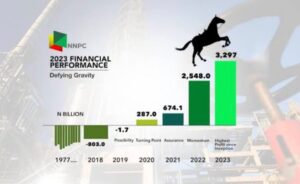
- Profit After Tax (PAT): ₦4.6–₦5.4 trillion, significantly higher than the ₦3.3 trillion recorded in 2023.
- Revenue: Climbed to N31.5 trillion in 2024 with robust double-digit growth, and some earlier reports suggest even stronger revenue figures around ₦45.1 trillion.
- Profit Margin: Steady at roughly 14%, broadly in line with performance peers across Africa’s energy sector.
These results underscore a strengthened operational and commercial discipline at NNPC Ltd, driven by improved oil production, higher global oil prices and enhanced trading results.
“The earnings highlight the positive momentum of our ongoing transformation and the unwavering commitment of our workforce,” Group Chief Executive Officer Bashir Bayo Ojulari said in official communications.
But What Lies Beneath: The ₦6.3trn Liability “Time Bomb”
While the profit figures are eye catching, independent research suggests they may not tell the full story.
SBM Intelligence, a Lagos-based research firm, found that NNPC Ltd has off balance-sheet liabilities exceeding ₦6.3 trillion potential obligations not reflected in the company’s headline balance sheet.
These hidden exposures include:
- ₦5.4 trillion in debts owed to refineries within the NNPC group.
- ₦890 billion in cash commitments embedded in forward sale contracts and related instruments.
- Additional litigation provisions and contingent claims.
SBM Intelligence warned these off balance liabilities could substantially alter NNPC’s true risk profile if consolidated into core financial statements.
Complicating the Picture: Subsidy Receivables & Government Entanglements
Part of the liability narrative ties back to legacy fuel subsidy arrangements, despite official government statements that the petrol subsidy regime ended in 2023. Under previous policy regimes, NNPC often absorbed subsidy costs and was owed large reimbursement amounts from the Federal Government.
While these receivables currently pegged at about ₦5.1 trillion technically bolster NNPC’s asset base, analysts caution that depending on government repayments as a financial lifeline introduces uncertainty and fiscal risk.
Legal Risks and Lawsuits Add to Financial Stress
In addition to off-balance sheet exposures, NNPC Ltd faces significant legal liabilities estimated at ₦2.27 trillion tied to unresolved lawsuits, arbitration cases and commercial claims, as reported in early 2026.
According to The PUNCH, the company recognised roughly ₦474.8 billion of contingent liabilities in its financial statements, but an additional ₦1.8 trillion in possible claims remains unprovisioned and unresolved.
These disputes span several fronts from joint venture cash-call disagreements to pipeline contract claims and expose NNPC to potential future cash outflows that could affect liquidity and investor confidence.
Internal Debt Dynamics: Subsidiary Debts Balloon
Another dimension to NNPC’s financial pressures stems from internal inter company debt. According to audited figures from 2024, certain subsidiaries owe the parent company more than ₦30 trillion in combined receivables a staggering increase of more than 70% year-on-year.
This internal debt accumulation particularly among flagship subsidiaries such as Port Harcourt Refining Company Limited and Kaduna Refining and Petrochemical Company Limited strains cash flows and complicates consolidated balance sheet management.
Balancing Growth and Sustainability
On one hand, the company’s profitability and revenue trajectory offer evidence of successful reform and commercialisation since NNPC Ltd’s creation under the PIA. On the other, the mounting liabilities both visible and hidden underscore structural risks that could erode financial resilience.
Analysts say the key moving forward will be stronger transparency, disciplined accounting of contingent exposures and clear government policies on legacy receivables and inter-company settlements.








Comments