
NNPC FAAC Remittance Drops 86%, Raising Fresh Concerns Over Oil Revenue
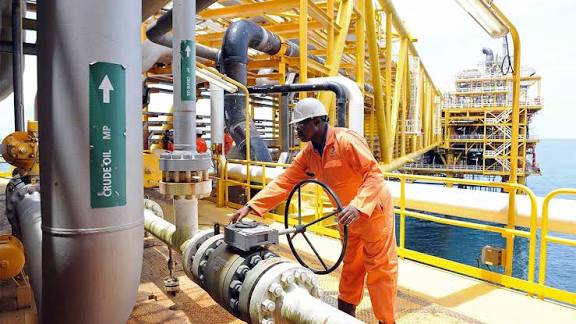

Nigeria’s oil-dependent economy is facing a stark fiscal challenge as the Nigerian National Petroleum Company (NNPC) dramatically under-performed on its revenue remittances to the Federation Account Allocation Committee (FAAC) dropping by a staggering 86% compared to the 2025 budget target.
A Slumping Oil Revenue Picture
Data presented to FAAC reveals that between January and December 2025, NNPC remitted only N604.61 billion, a far cry from the N4.20 trillion that had been budgeted for the period. This massive shortfall exposes not just revenue weakness at NNPC, but broader strains in Nigeria’s fiscal framework, which still heavily relies on oil receipts to fund government operations and public services.
The under-performance marks one of the sharpest drops in oil revenue remittances in recent history, prompting deep public and policy interest in what it signals for the economy going forward.
What This Shortfall Means for Nigeria’s Economy
Weaker Federal Revenue Base
Oil royalties and related payments historically provide a significant portion of federal revenue for budget implementation, infrastructure projects, human capital development, and state-level allocations. A collapse in remittances means that:
- Budget execution may be constrained, especially for capital expenditures.
- Transfers to state governments and local councils financed through FAAC could shrink, affecting public services nationwide.
- Revenue forecasts for 2026 are now under pressure, especially if production levels and global oil prices remain volatile.
Exposes Oil Dependence Risks
Nigeria’s reliance on oil means that under-performance in one key agency can ripple through the entire economy. The 86% decline underlines the danger of a narrow revenue base, especially in a global market where prices and production are unpredictable. Economists and policy analysts caution that structural reforms are long overdue to diversify the government’s revenue streams beyond oil.
What’s Behind the Remittance Collapse?
Analysts point to several factors that likely drove this sharp downturn:
- Lower crude output or production inefficiencies, which reduce export volumes.
- Operational challenges within NNPC, including costs, subsidy dynamics, and legacy disputes over revenue reconciliation.
Historical under-remittance and discrepancies between internal revenue records and FAAC expectations — a topic under ongoing review beyond the 2025 budget cycle.
Some reports highlight how large portions of revenue may be tied up in statutory payments or retained for internal obligations, reducing immediate transfers to FAAC.
While NNPC has reported large statutory transfers and impressive revenue figures in other contexts, the gap between those figures and actual FAAC remittances has raised questions about transparency and fiscal discipline.
Policy and Industry Responses
Reconciliation and Audit Efforts
FAAC has extended efforts to review and reconcile remittances from federal revenue agencies, including NNPC and the Central Bank, through to December 2025. This is an attempt to clear long-standing discrepancies going back over a decade.
Calls for Transparency and Reform
Experts and industry stakeholders are urging broader reforms:
- Improve reporting transparency in how oil revenues are managed and shared.
- Strengthen oversight mechanisms to ensure timely and accurate remittances.
- Accelerate economic diversification, reducing dependency on oil receipts for federal budgeting.
These reforms are seen as essential to avoid future revenue shocks and to stabilize Nigeria’s broader fiscal outlook.
Looking Ahead
The 86% drop in NNPC’s remittances to FAAC is more than a statistic — it’s a clear indicator of the vulnerability in Nigeria’s revenue architecture. It underscores the urgent need for:
- Structural economic reforms,
- Greater revenue transparency, and
- Diversification of income sources beyond oil.
With global energy markets evolving rapidly, Nigeria cannot afford to let oil sector inefficiencies dictate the country’s fiscal fortunes. The coming weeks and months will be critical in shaping policy responses that could either steady the revenue ship or deepen fiscal stress.











Comments