
Olayemi Cardoso: 11-Month Disinflation, FX Stability Justify Measured Rate Cut


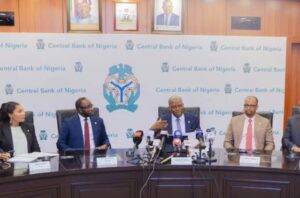
On February 24, 2026 The Central Bank of Nigeria (CBN) took a cautious step toward monetary easing this week, cutting its Monetary Policy Rate (MPR) by 50 basis points (b p) to 26.5%, signalling confidence in the country’s slowing inflation and improved foreign exchange dynamics. The move, announced by CBN Governor Olayemi Cardoso, marks the first rate reduction in over a year and reflects a balanced assessment of economic risks and opportunities.
Disinflation: 11 Consecutive Months of Cooling Prices
The decision to cut the benchmark interest rate was anchored on a clear downtrend in inflation. Nigeria’s headline inflation rate eased for the eleventh consecutive month, falling to 15.10% year-on-year in January 2026, down from 15.15% in December. Both food price inflation and core price pressures also moderated meaningfully.
Cardoso emphasised that this persistent disinflation trend illustrates the lagged impact of earlier monetary tightening, growing foreign exchange stability, and improved domestic food supply conditions all working to reduce price pressures.
Why this matters:
- A sustained disinflation trend strengthens consumer and business confidence.
- Persistent inflation moderation creates space for rate adjustments without derailing macroeconomic stability.
FX Stability and External Reserves: A Pillar for Caution
The other central pillar in the MPC’s reasoning was improved foreign exchange stability and external buffers.
According to the CBN Governor, Nigeria’s gross external reserves climbed to $50.45 billion, the highest in 13 years, providing coverage for at least 9.68 months of imports. Robust export earnings, higher remittances inflows, and a healthier balance of payments contributed to the strong reserve position.
Cardoso underscored that this FX stability has helped anchor expectations, ease volatility in the FX market, and sustain price moderation all key conditions that gave the MPC comfort to adopt a measured rate cut.
A Balanced and Measured Monetary Strategy
Despite lowering the MPR, the CBN kept several monetary levers unchanged, signalling a cautious and calibrated transition rather than a full shift to aggressive easing:
- Cash Reserve Ratio (CRR) unchanged at 45% (commercial banks) and 16% (merchant banks)
- Liquidity ratio maintained at 30%
- Standing facilities corridor unchanged around the MPR (+50 / -450 bp)
This mix modest cuts alongside retained safeguards reveals the MPC’s concern that inflation, while moderating, remains above the central bank’s long-term target. It also reflects risks such as looming pre-election fiscal spending which could reignite price pressures if not managed prudently.
What the Rate Cut Means for the Economy
Analysts and market watchers have highlighted several implications of the cautious rate cut:
- For Businesses
Lower borrowing costs are expected as banks adjust lending rates, potentially stimulating credit demand from businesses particularly small and medium enterprises struggling with high financing costs. - For Consumers
Consumers may see softer borrowing rates on loans and mortgages, helping increase consumption and investment but the full impact will depend on how quickly banks pass on the rate cut. - For Inflation Expectations
Although inflation remains above the CBN’s comfort zone, the steady downtrend and cautious policy stance help moderate expectations and avoid abrupt market reactions.
Final Take
The Central Bank of Nigeria’s decision to ease the Monetary Policy Rate by 50 basis points reflects a strategic and evidence-based shift in policy rooted in sustained disinflation, improved foreign exchange stability, and stronger external buffers.
Rather than signalling a rapid pivot to full monetary accommodation, this cautious cut portrays the CBN’s intent to balance price stability with support for economic growth, mindful of risks ahead, including election-related fiscal expansions.











Comments