
Reform Dividend? Minister Hails Tinubu’s FX Unification and Subsidy Removal as Investor Confidence Rebounds

Nigeria’s economic direction is showing signs of improvement, according to top government officials and stakeholders, as bold reforms implemented under President Bola Ahmed Tinubu gain recognition for stabilising macroeconomic fundamentals and rebuilding confidence among investors.
Bold Reforms at the Core of Economic Reset
Since taking office, President Tinubu’s administration has placed economic reform at the centre of its policy agenda. Central to these efforts were two of the most scrutinised decisions of his tenure:
- The removal of fuel subsidies, which had long been a heavy fiscal burden, and
- The unification of the foreign exchange market, ending multiple currency windows in favour of a market-driven exchange rate.
- These decisions were made early in Tinubu’s administration to address deep-seated structural distortions that threatened Nigeria’s economic stability.
Government’s Perspective: Stabilisation and Growth
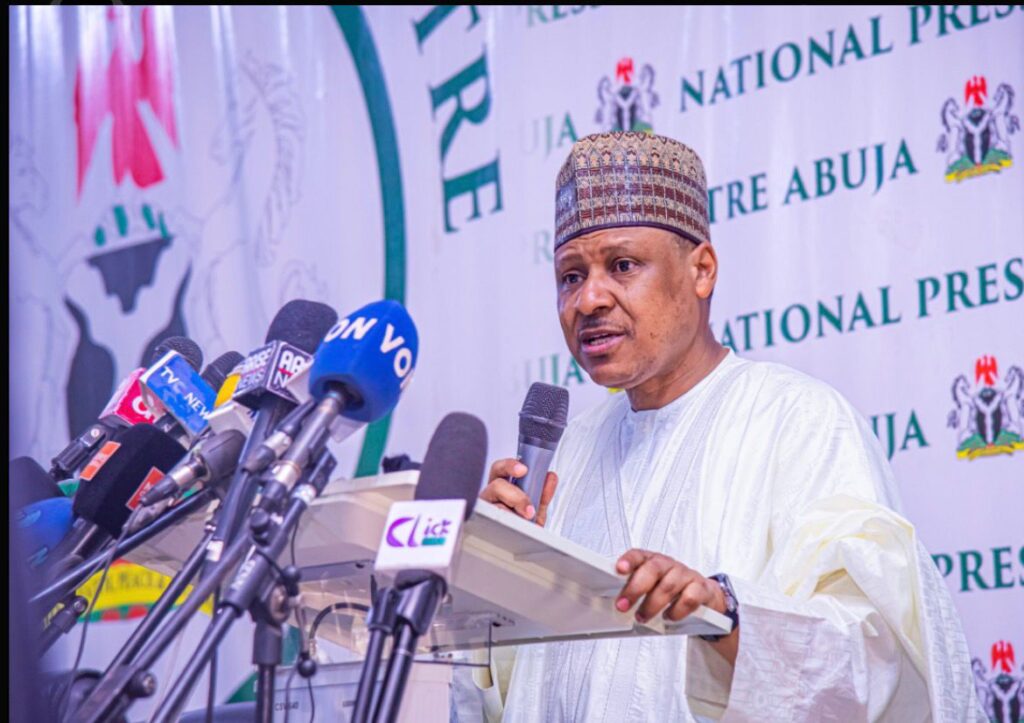
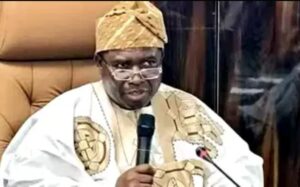
In a recent interview on ICAN On Air, the Minister of Information and National Orientation, Mohammed Idris, said that these reforms have not only stabilised Nigeria’s economy but also helped restore confidence among international and domestic investors after years of policy uncertainty.
According to Idris:
“You cannot build an economy where the foundation itself is extremely faulty, If those steps were not taken, Nigeria was heading in the wrong direction.”
He acknowledged that while the reforms triggered short term hardships, they were necessary to correct systemic imbalances and reallocate resources toward broader, more sustainable development outcomes.
Positive Economic Indicators
Recent economic data suggest tangible improvements aligned with reform goals:
- Foreign exchange reserves have expanded significantly, reaching multi-year highs according to official figures.
- Inflation trends show easing pressures, and monetary policy frameworks are gaining traction.
Nigeria’s removal from the Financial Action Task Force (FATF) grey list has strengthened its financial credibility and access to global capital markets.
These developments have helped improve investor sentiment and Nigeria’s credit outlook, as recognised by international markets and ratings agencies.
Broad Stakeholder Support
Support for the reform agenda is not limited to Abuja. Several political and business leaders have publicly acknowledged the policy direction:
- Governor Abdullahi Sule of Nasarawa State credited national reforms for enabling economic growth at the sub-national level.
- Ogun State Governor Dapo Abiodun described the reforms as courageous and essential for sustainable development.
- Financial sector observers, including the Central Bank of Nigeria (CBN), have reiterated that the reforms are difficult but necessary steps toward improved economic resilience.
Public and Expert Views
While government and many stakeholders praise the long term outlook of these reforms, some critics argue that macroeconomic gains have yet to fully translate into improved livelihoods for ordinary Nigerians.
This conversation underscores an ongoing debate over how best to balance macroeconomic stability with immediate social welfare.
Conclusion
Economic experts agree that Nigeria stands at a critical juncture. The current policy path though challenging aims to strengthen institutional credibility, attract foreign direct investment, and lay a firmer foundation for diversified growth. Continued progress will hinge on effective implementation, inclusive policy communication, and targeted measures to ensure that reforms benefit the broader population and system stability.








Comments