
Senate Probes Collapse of $30 Million Safe School Initiative, Summons Finance and Education Ministers
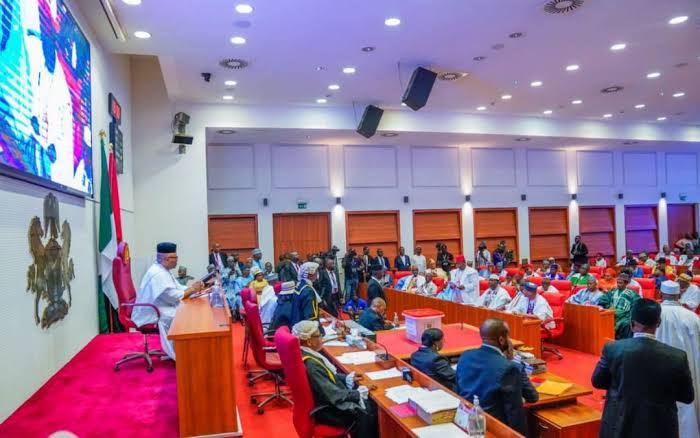

The Nigerian Senate has intensified its investigation into the collapse of the $30 million Safe School Initiative (SSI), demanding accountability from top government officials responsible for overseeing the programme.
Lawmakers summoned the Minister of Finance, Wale Edun, and the Minister of Education, Dr. Tunji Alausa, to provide detailed explanations on the financial and operational failures of the initiative. They will appear before an ad-hoc committee chaired by Senator Orji Uzor Kalu, alongside the Minister of Defence, the Commandant-General of the Nigeria Security and Civil Defence Corps (NSCDC), and representatives of various stakeholder groups connected to the programme.
The Safe School Initiative, launched in 2014 following the abduction of over 300 schoolgirls from Chibok, was designed to strengthen the safety of learning environments across Nigeria.
Senators expressed deep concern over the apparent mismanagement of the initiative. One lawmaker noted that the committee intends to “track every naira and dollar” allocated to the programme to understand where implementation broke down. This includes scrutinizing donor contributions, federal allocations, and contracts issued during the initiative’s operational years.
The probe will focus on financial auditing and operational review—two areas lawmakers believe were neglected during the lifespan of the initiative.
For Nigeria’s financial credibility, this investigation carries significant weight.
The collapse of a high-profile, internationally supported initiative raises broader concerns about transparency, governance, and accountability in public finance.
If the Senate’s probe succeeds in exposing gaps and enforcing accountability, it could help rebuild public trust and strengthen oversight frameworks for future government-funded initiatives.
At this stage, Nigerians await the committee’s findings with growing interest, hoping that the probe marks a turning point in the management of critical national programmes










Comments