
“Six National Bus Terminals to Receive ₦142 Billion in FG’s 2026 Budget”

The Federal Government has earmarked ₦142 billion for the construction of six modern national bus terminals across Nigeria’s six geopolitical zones in the proposed 2026 budget. The move underscores the administration’s commitment to upgrading public transport infrastructure and easing commuter challenges nationwide.
The allocation forms part of the 2026 Appropriation Bill, which President Bola Ahmed Tinubu recently presented to a joint session of the National Assembly. The terminals are set to be developed under the Ministry of Transportation, aimed at facilitating safer, more organized, and efficient intercity bus travel.
Budget Details and Project Scope
The 2026 budget identifies the bus terminals project as a key capital expenditure under the Federal Ministry of Transportation. The ₦142 billion provision will cover all aspects of the terminals’ development, including land acquisition, construction, passenger facilities, parking areas, and supporting infrastructure.
According to the budget documents, the six terminals will be strategically located in:
- Abeokuta (South-West)
- Gombe (North-East)
- Kano (North-West)
- Lokoja (North-Central)
- Onitsha (South-East)
- Warri (South-South)
These locations were selected based on commuter traffic volumes, economic activity, and the need to address the lack of structured intercity transport hubs.
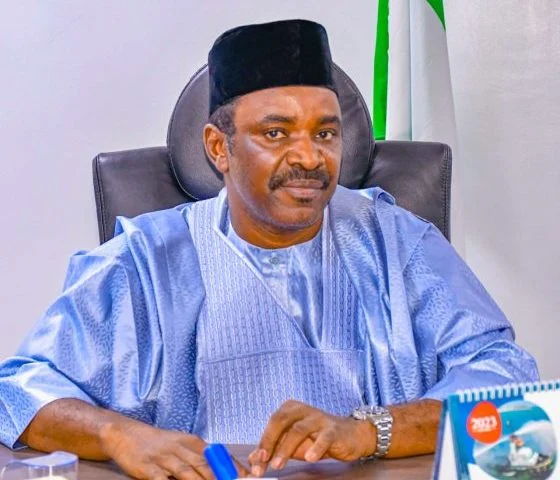
Minister of Transportation, Senator Sa’idu Alkali, highlighted that the terminals will “transform the landscape of public road transport in Nigeria, providing commuters with safer, more efficient travel options while reducing congestion in urban centres.”
Why the Terminals Matter
Nigeria’s intercity bus network has long struggled with unregulated roadside terminals, congestion, and safety challenges. Many existing facilities lack basic amenities for passengers, forcing travelers to rely on informal bus parks.
The new terminals aim to:
- Streamline passenger movement and improve safety
- Reduce traffic bottlenecks along major highways
- Support local economic activity through commercial facilities around terminals
- Encourage more Nigerians to adopt organized public transport
Transport analysts suggest that such investments could also generate significant employment opportunities, from terminal operations to ancillary services like food vendors, security, and maintenance staff.
Project Background and Implementation
The project received approval from the Federal Executive Council (FEC) in mid-2025. The government awarded the construction contracts to reputable local firms with prior experience in large-scale transport infrastructure.
Alkali noted that the 2026 plan represents the first direct Federal Government intervention in road transport infrastructure outside of road construction projects. He emphasized that these terminals will “serve as modern transport hubs, elevating standards across the country and positioning Nigeria’s public transport system for long-term growth.”
In Conclusion: The proposal for six national bus terminals represents a significant step toward modernizing Nigeria’s public transport infrastructure. Approval by the National Assembly and effective project execution will be key to realizing the envisioned benefits.
For investors and stakeholders in the transportation sector, the terminals present opportunities for partnerships, commercial ventures, and employment generation, signalling a potential growth area in Nigeria’s economy.
The success of this initiative will hinge on transparent execution, adherence to timelines, and integration with existing transport policies. If well-implemented, Nigeria could see a notable improvement in commuter safety, efficiency, and convenience, setting a precedent for further investments in road transport infrastructure across the country.









Comments