
Tight Monetary Policy Drives 10% Drop in Inflation — CBN
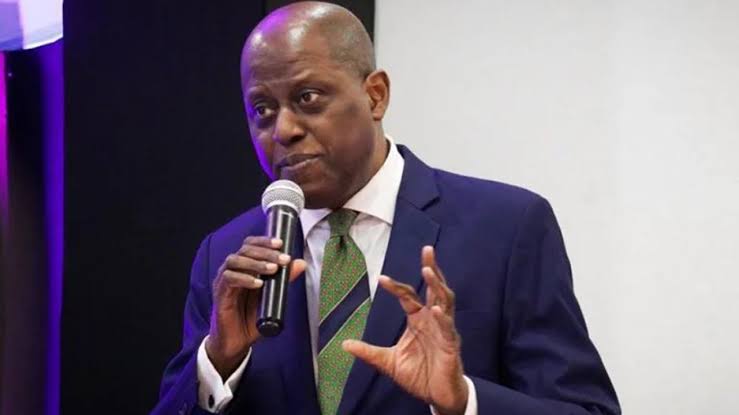

Nigeria’s Central Bank has delivered compelling evidence that its resolute monetary policy stance has contributed significantly to a sustained decline in inflation — cutting into price pressures by as much as 10 percentage points in the past year, according to a statement by CBN Governor Olayemi Cardoso.
In a personal statement released following the Monetary Policy Committee (MPC) meeting in November 2025, Governor Cardoso described the findings as strong “counterfactual” proof that the Central Bank’s tight monetary stance is working even amid global economic headwinds and persistent domestic challenges.
Data from the National Bureau of Statistics (NBS) shows headline inflation moderating sharply over recent months. Headline inflation declined to 16.05% in October 2025, down from 18.02% in September, and nearly 8.43 percentage points lower than the 24.48% observed in January 2025.
The downward trend broad-based across headline, food, and core inflation has been driven by several interlocking factors, according to the CBN governor:
Reduced foreign exchange volatility, with the naira showing signs of market-driven appreciation;
Lower food prices amid improving supply conditions;
Better-anchored inflation expectations fueled by stronger macroeconomic fundamentals.
This sustained deceleration marks one of the most significant disinflationary periods in recent years, reinforcing earlier reports that Nigeria’s inflation dipped below 20% for the first time in three years.
At its 303rd MPC meeting, the Central Bank affirmed its commitment to a tight monetary stance. The committee voted to retain the Monetary Policy Rate (MPR) at 27%, maintain the Cash Reserve Ratio (CRR) at stringent levels, and hold the liquidity ratio unchanged, emphasizing the importance of policy consistency to prevent inflationary reversals.
Governor Cardoso stressed that, while monetary policy has played a decisive role, it alone cannot deliver sustainable economic growth. “Monetary policy must remain alert and proactive to prevent any reversal in the disinflationary trend,” he said, pointing to elevated economic risks both at home and abroad.
Despite the progress, the CBN governor underscored that significant headwinds remain. Global geopolitical tensions, uncertain external demand, and Nigeria’s approaching 2026 political cycle could exert fresh inflationary pressures, particularly if fiscal expansion accelerates in the run-up to elections.
What Lies Ahead
Economists and market watchers say the focus now will be on whether the current policy stance can be sustained without choking growth, especially as calls grow for eventual interest rate adjustments should inflation continue to ease. Previous commentary from policy think tanks suggested that further disinflation to levels near 17% could prompt discussions about rate cuts.
For now, the CBN appears determined to consolidate gains, with policymakers signaling that firmness and patience in monetary policy remain key to anchoring expectations, stabilizing prices and creating the conditions for more balanced economic expansion.









Comments