
Viewmax Unveils $20bn Infrastructure Strategy to Unlock Nigeria’s Entertainment Value Chain
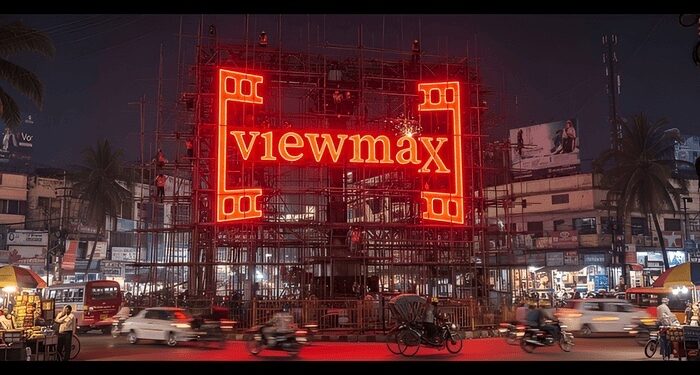

In a bold pivot that could reshape Nigeria’s entertainment infrastructure, Viewmax Entertainment Network is advancing a pioneering strategy aimed at capturing a slice of the continent’s projected $20 billion African film distribution market. The Lagos-based creative technology company announced plans this week to transition from a hardware-centric model to building and operating community-based cinemas across Nigeria and beyond a move industry observers have described as a strategic infrastructure investment play.
From Technology Provider to Cinema Operator
Founded in 2022 by Abdulmalik Badamasi and Ayuba Mako Abdullahi, Viewmax began life developing and supplying cinema exhibition technology to third-party operators. Over five years, its proprietary systems including digital projection hardware and AI-driven software positioned it as a rising technology partner in Nigeria’s creative sector.
But in 2023, the company recalibrated its business model. Rather than merely licensing equipment, Viewmax now plans to deploy its technology in standalone cinemas that it owns and operates, directly serving underserved communities outside Nigeria’s major urban centres.
This strategy speaks to a broader shift in how entertainment infrastructure is conceived in Africa away from centralized, high-end venues toward local, accessible hubs that bring cinema experiences closer to everyday audiences.
Why Community Cinemas?
Viewmax’s pivot is rooted in both technology and market trends. Its community cinema model bundles modern digital projectors, immersive sound systems, and the company’s newly launched CinemaOS an AI-enabled operational framework into compact, scalable venues tailored for neighbourhood deployment.
According to information from the company’s official materials, Viewmax cinemas aim to deliver 4K quality displays, premium sound systems, and convenient ticketing via a dedicated mobile app all at price points suited to local communities rather than affluent urban elites.
Analysts say this could unlock new demand where traditional cinema models have struggled to penetrate. Nigeria’s national cinema attendance has been under pressure in recent years from the rise of on-demand platforms, with box office receipts declining and digital streaming reshaping how audiences consume content.
Tapping into a Growing Sector
The entertainment industry across Africa is expanding rapidly. While Nigeria’s wider entertainment and media revenue remains below the industry’s full potential, experts report strong growth trends — fueled by digital platforms, creative talent export, and increasing domestic demand. In sectors from film to music, the ecosystem has shown resilience and scalability.
The $20 billion figure that Viewmax is targeting aligns with broader forecasts for a pan-African film economy that industry forums have projected could be built over the coming decade. Initiatives such as the Africa Film Finance Forum (AFFF) are working to structure financing, distribution systems, and cross-border collaboration aimed at unlocking this potential.
The Partner Program and Investment Appeal
To scale its rollout, Viewmax has launched a Partners Program designed to attract private investment and stakeholders keen to participate in the deployment of community cinemas across Nigeria. The initiative promises investors access to an emerging infrastructure class within African entertainment blending physical venues with proprietary technology and digital operations.
This could appeal to impact investors and private equity firms looking beyond traditional infrastructure sectors like energy or transportation. While Nigeria currently chases billions in infrastructure capital for energy and gas projects, Viewmax’s initiative reframes creative infrastructure as a viable investment frontier.
Challenges and Road Ahead
Despite the promise, hurdles remain. Nigeria’s entertainment value chain faces persistent challenges from digital piracy, unreliable power supply, and competition from streaming services that dominate urban screen time.
For Viewmax, bridging these gaps will require not just capital but operational finesse deploying venues that are both affordable and attractive while ensuring consistent revenue streams in markets where discretionary entertainment spend is constrained.
Yet as the company scales from pilot locations to broader rollout, its infrastructure play could illuminate pathways for local content monetisation and regional creative investment potentially transforming the way Nigerians experience cinema.











Comments