
Do You Need TIN if You’re Not Working
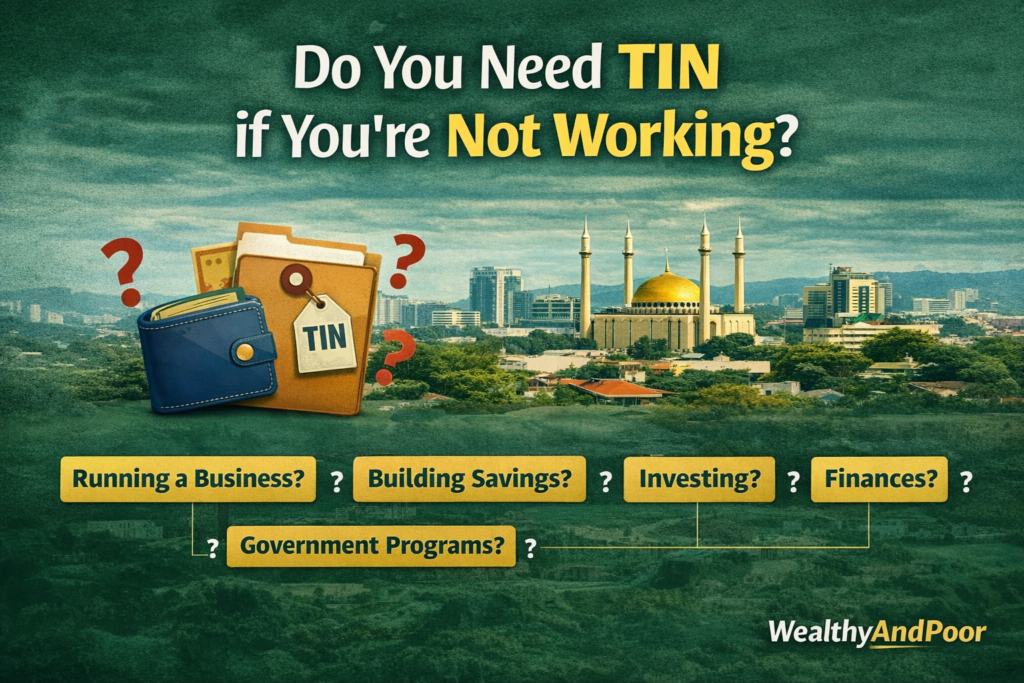

Many Nigerians assume that a Tax Identification Number (TIN) is only necessary if you are employed or actively running a business. But with the growing integration of tax systems, banking regulations, and national identity databases in Nigeria, the question has become more relevant than ever: Do you need a TIN if you’re not working?
The short answer is not always immediately, but in many cases, yes, eventually. Here’s what you need to know.
What Is a TIN and Why Does It Matter?
A Tax Identification Number (TIN) is a unique number issued to individuals and businesses for tax purposes. It is administered by the Federal Inland Revenue Service (FIRS) and coordinated nationally through the Joint Tax Board (JTB).
The TIN allows tax authorities to track tax payments, ensure compliance, and maintain accurate taxpayer records. Over the past few years, Nigerian news platforms have reported increasing digitization of tax administration, linking TIN with BVN, NIN, and corporate registrations to improve transparency and revenue collection.
But what happens if you’re unemployed, a student, or simply not earning taxable income?
If You’re Not Working and Have No Income
If you are currently unemployed and have no source of income, you are generally not required to pay tax, and therefore you may not urgently need a TIN.
Nigeria operates a personal income tax system where tax is based on earnings. No income means no tax liability. However, this does not automatically mean you will never need a TIN.
There are certain situations where even someone without a job may still need one.
When You May Still Need a TIN (Even Without a Job)
1. Opening or Operating Certain Bank Accounts: While basic savings accounts may not require immediate TIN submission, banks are increasingly aligning with regulatory requirements. Reports from Nigerian financial news platforms indicate that financial institutions are strengthening Know-Your-Customer (KYC) procedures in collaboration with tax authorities.
If you plan to:
- Open a corporate or business account
- Access certain credit facilities
- Apply for government-backed loans,
- Engage in high-value transactions, you may be asked to provide a TIN.
- Starting a Business in the Future
If you plan to register a business with the Corporate Affairs Commission (CAC), a TIN becomes mandatory. In fact, for registered companies, TIN is often automatically generated upon successful registration through integrated systems.
So while you may not need a TIN today, you will need one the moment you decide to formalize a side hustle, startup, or consultancy service.
Applying for Government Contracts or Grants
- Government contracts, grants, and intervention funds typically require a valid TIN and tax clearance certificate. Even youth-focused or startup-friendly schemes often include tax registration as part of compliance requirements. If you are unemployed but intend to apply for public funding or government programs, having a TIN can speed up the process.
- Owning Property or Investments: If you own rental property, earn dividends from shares, receive investment income, or hold assets that generate returns, you are considered to have taxable income even if you are not formally employed.
In such cases, you are expected to register with the relevant tax authority and obtain a TIN.
What About Students?
Students who have no income generally do not need a TIN immediately. However, if a student:
- Runs an online business
- Freelances
- Engages in cryptocurrency trading,
- Earns from content creation,
- Receives business payments, then technically, that income may fall under taxable categories.
As Nigeria expands its tax net and digital tracking systems, experts increasingly advise young entrepreneurs to register early and maintain proper tax records to avoid complications later.
Is TIN Registration Compulsory for Everyone?
TIN registration itself is free and straightforward. Authorities have clarified in various public communications that registration does not automatically mean you owe taxes. It simply places you within the formal tax database.
You are legally required to obtain a TIN if you are:
- Gainfully employed
- Self-employed
- Running a registered business
- Earning taxable income.
If you are not working and have no income, there is no immediate penalty for not having one.
However, regulatory trends suggest that over time, more financial and administrative processes will require TIN for identification and verification purposes.
Can You Register Even If You’re Not Working?
Yes. You can voluntarily register for a TIN through the Joint Tax Board portal or by visiting your nearest tax office. Registration is free and does not obligate you to pay taxes if you have no income.
Some individuals prefer to register early for convenience, especially if they anticipate starting a business or securing employment soon.
Risks of Ignoring TIN When You Start Earning
If you begin earning income and fail to register or file tax returns, you may face:
- Penalties for late registration
- Accumulated tax liabilities
- Difficulty obtaining tax clearance certificates,
- Delays in financial transactions or contract approvals.
It is always better to register once you start generating income rather than waiting until compliance becomes urgent.
The Bottom Line
Nigeria’s financial system is becoming more interconnected. Tax identification is gradually being integrated into banking, business registration, and public administration systems. Even if you’re currently unemployed, preparing ahead can save you stress later.
In today’s regulatory environment, a TIN is less about paying tax and more about being financially recognized within the formal economy.
If you’re unsure about your tax status, it’s advisable to consult your state tax authority or visit the official Joint Tax Board portal for clarification
Being proactive about compliance is always better than reacting under pressure.











Comments