
What is TIN in Nigeria and Why You Need it
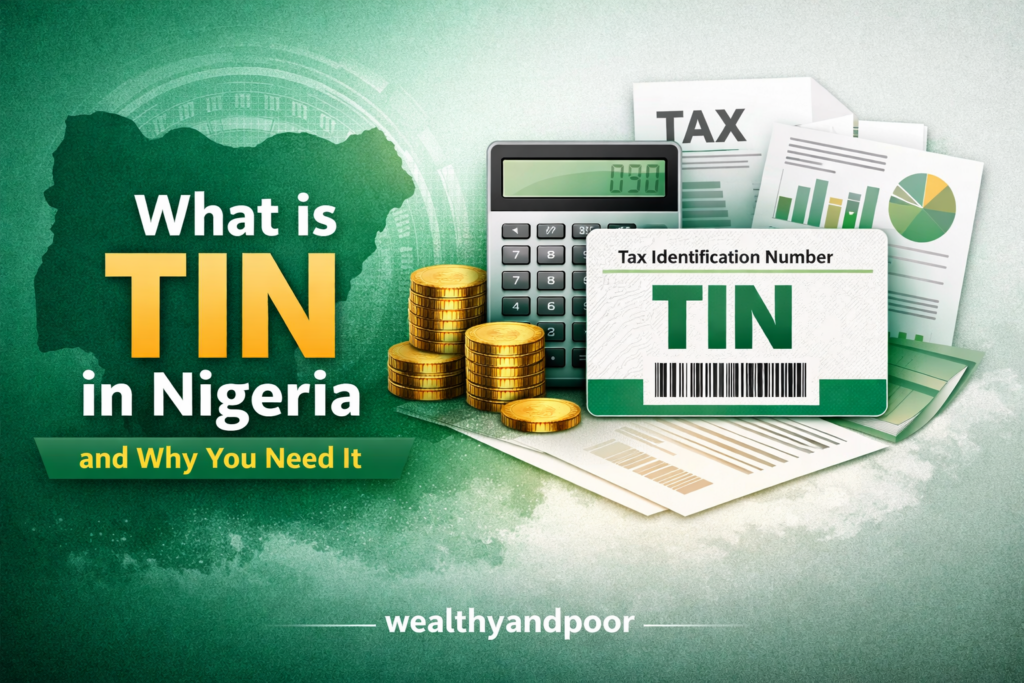

A Tax Identification Number (TIN) is a unique number issued to individuals and businesses in Nigeria for the purpose of tax administration. It is assigned by the Federal Inland Revenue Service (FIRS) and serves as the official reference for identifying taxpayers within the country’s tax system. In simple terms, a TIN is your tax identity number. Without it, you cannot fully participate in Nigeria’s formal financial and regulatory environment.
The introduction of the TIN system marked a significant step in Nigeria’s effort to modernize tax administration, expand the tax base, and improve compliance. Before the harmonized TIN framework, different tax authorities maintained separate identification systems, which made tracking compliance difficult. Today, the TIN provides a centralized and standardized method of identifying taxpayers, whether individuals, partnerships, or corporate entities.
For individuals, a TIN is required if you are gainfully employed, self-employed, or running any form of business that generates taxable income. For companies, the process is largely automated. Once a business is registered with the Corporate Affairs Commission (CAC), a TIN is generated and linked to the company’s registration details. This integration has reduced duplication and made tax registration more efficient.
Why You Need a TIN in Nigeria
The importance of a TIN goes far beyond filing tax returns. It plays a central role in business operations, regulatory compliance, and financial transactions.
- A TIN is mandatory for filing tax returns. Every registered company in Nigeria is required to file annual Company Income Tax returns, even if the business did not make a profit. Without a TIN, you cannot submit these returns. For individuals, a TIN is necessary to process personal income tax obligations, including Pay-As-You-Earn (PAYE) deductions.
- You need a TIN to obtain a Tax Clearance Certificate (TCC). A TCC is often required when bidding for government contracts, applying for certain licenses, or conducting high-value transactions. Many Ministries, Departments, and Agencies (MDAs) will not process contracts or payments without verifying a valid TIN and TCC.
- Banks and financial institutions may request a TIN when opening corporate accounts, processing large transactions, or granting credit facilities. This requirement aligns with regulatory compliance and anti-money laundering standards. For businesses seeking loans or investment, having a TIN demonstrates that the company operates within the formal economy and complies with statutory obligations.
- A TIN is required for Value Added Tax (VAT) registration and remittance. If your business supplies taxable goods or services, you must register for VAT and remit collections to the appropriate tax authority. The TIN serves as the reference number for tracking VAT payments and credits.
- A TIN enhances business credibility. Many reputable organizations, especially multinational companies and large corporations, will not engage vendors who cannot provide a valid TIN. In today’s compliance-driven environment, it signals legitimacy and financial transparency.
How to Obtain a TIN in Nigeria
For registered companies, the TIN is typically generated automatically after incorporation with the CAC. Once the registration process is completed, the details are transmitted to FIRS, and a TIN is assigned. Business owners can verify their TIN through the FIRS online portal.
For individuals and sole proprietors, obtaining a TIN involves registering with the relevant tax authority in your state of residence or through FIRS, depending on your income category. The process generally requires basic identification documents and business information, where applicable. Importantly, obtaining a TIN is free of charge. Any demand for payment beyond statutory registration fees should be treated with caution.
Common Misconceptions About TIN
- One common misconception is that only large companies need a TIN. In reality, small businesses, freelancers, and self-employed professionals also require a TIN if they earn taxable income.
- Another misconception is that obtaining a TIN automatically means paying high taxes. The TIN itself does not determine your tax liability; it simply identifies you within the tax system. Your actual tax obligation depends on your income level and applicable tax laws.
- Some also assume that once a TIN is obtained, no further action is required. However, compliance involves ongoing responsibilities such as filing annual returns, remitting taxes, and maintaining proper records.
Frequently Asked Questions (FAQs)
1. Is a TIN compulsory for all businesses in Nigeria?
Yes. Every registered business operating in Nigeria is required to have a Tax Identification Number. It is essential for filing tax returns, obtaining tax clearance, and conducting official financial transactions.
2. How much does it cost to get a TIN?
Obtaining a TIN is free. For companies, it is generated automatically after CAC registration. Individuals can apply through the relevant tax authority without paying additional fees beyond statutory requirements.
3. Can I operate a bank account without a TIN?
While some individual savings accounts may not immediately require a TIN, corporate accounts and certain high-value transactions typically require one. Most banks request a TIN for compliance and documentation purposes.
4. What happens if I do not have a TIN?
Operating without a TIN can limit your ability to file tax returns, secure government contracts, open corporate bank accounts, or obtain tax clearance certificates. It may also expose you to penalties for non-compliance.
5. How can I verify my TIN?
You can verify your TIN through the official FIRS TIN verification portal by entering your registered name or RC number. This helps confirm that your tax details are properly captured in the system.
Conclusion
In Nigeria’s evolving financial and regulatory environment, a Tax Identification Number is no longer optional—it is fundamental. It enables compliance, supports business credibility, and provides access to critical financial and government services. Whether you are an entrepreneur launching a startup, a freelancer building a career, or an established corporation expanding operations, securing and maintaining a valid TIN is a foundational step toward sustainable and lawful participation in Nigeria’s economy.











Comments