
Why Nigerian Banking Networks Fail Often
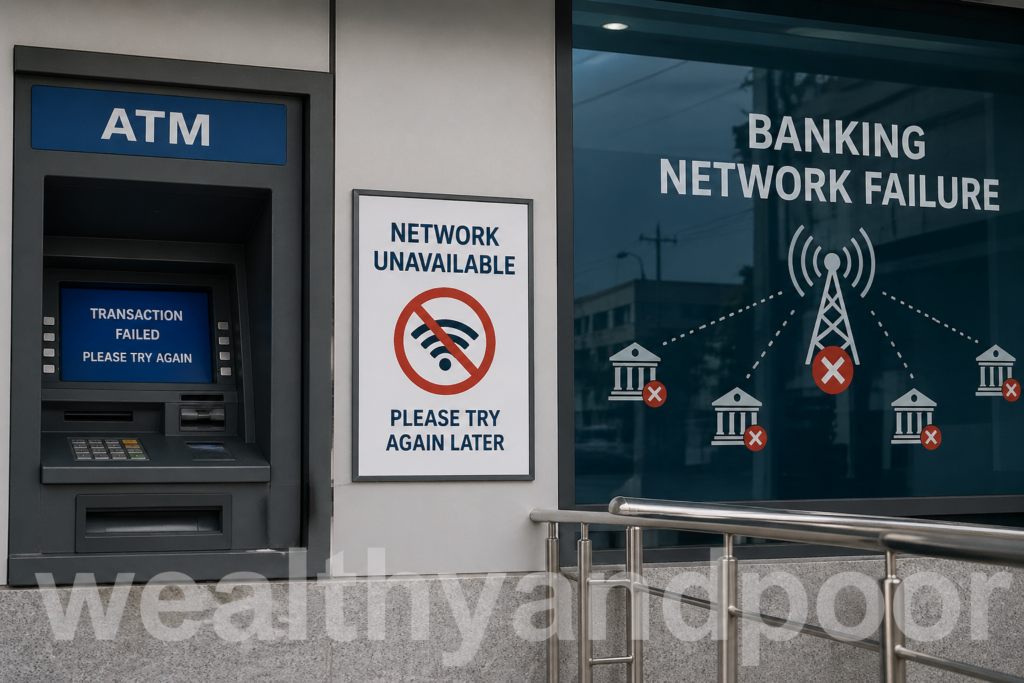

Nigeria’s banking sector has undergone rapid digital transformation over the past decade. From mobile apps to instant transfers and USSD banking, financial services have become faster and more accessible. Yet, for millions of Nigerians, a familiar frustration persists: failed transfers, delayed alerts, app downtime, and ATM malfunctions. These recurring disruptions are not random they are symptoms of deeper structural, technological, and economic challenges within the banking ecosystem.
This article explores the key reasons why Nigerian banking networks fail so often and what it means for customers and the broader financial system.
- Weak Digital Infrastructure
At the heart of frequent banking failures in Nigeria lies inadequate infrastructure. Digital banking depends heavily on stable servers, reliable internet connectivity, and strong backend systems. However, many Nigerian banks operate in an environment where these essentials are inconsistent.
Telecommunications networks, which power mobile banking and USSD transactions, are often unstable. In areas outside major cities, connectivity issues can make it difficult to complete even simple transactions.
Additionally, infrastructure limitations extend beyond telecoms. Power supply challenges, limited data centers, and underdeveloped IT ecosystems all contribute to system instability. Industry experts have repeatedly highlighted infrastructure gaps as one of the biggest barriers to seamless financial services in Nigeria.
- Overloaded Systems and Rising Transaction Volumes
Nigeria’s push toward a cashless economy has significantly increased the volume of electronic transactions. Millions of Nigerians now rely on mobile apps and transfers for daily payments, from groceries to business transactions.
The problem? Many banking systems were not built to handle this scale.
When too many users attempt transactions simultaneously especially during peak periods like month-end or salary days systems become overwhelmed. This often leads to slow processing, transaction failures, or complete service outages.
These failures are particularly noticeable during high demand periods, when banking apps and payment platforms struggle to keep up with user traffic.
- Legacy Systems and Outdated Technology
Despite the appearance of modern mobile apps, many Nigerian banks still rely on outdated core banking systems. These legacy systems were not designed for today’s digital demands and often lack scalability.
As a result:
- Systems crash under heavy load
- Integration between banks becomes inefficient
- Updates and upgrades introduce new risks
Outdated technology also limits innovation and slows down the adoption of more resilient solutions such as cloud-based infrastructure and real time processing systems.
- Poorly Managed System Upgrades
Ironically, system upgrades meant to improve performance often trigger outages. Banks frequently carry out updates to introduce new features or improve security, but these upgrades are sometimes rushed.
According to industry insights, unrealistic deadlines and cost cutting measures can lead to poorly tested deployments. When systems go live without adequate stress testing, they fail under real world conditions.
This explains why customers often experience widespread service disruptions immediately after a bank announces a “system maintenance” or “upgrade.”
- Interbank Network Complexities
In Nigeria, many transactions involve multiple institutions your bank, the recipient’s bank, and switching platforms that connect them. This interdependence increases the risk of failure.
If any one component in the chain experiences issues, the entire transaction can fail or become delayed. Backend integration problems between banks are a known cause of transfer delays and reversals.
This complexity is why a transfer may show as “successful” on one end but remain not received on the other.
- Limited Investment Incentives
One of the less obvious causes of persistent failures is economic. Fixing banking infrastructure requires significant investment new servers, better software, skilled personnel, and robust cybersecurity systems.
However, banks may not feel strong pressure to invest aggressively. Many customers, despite frustration, rarely switch banks due to the inconvenience involved. As a result, poor service does not always translate into lost revenue.
This weak competitive pressure reduces the urgency for banks to overhaul their systems, allowing problems to persist longer than they should.
- Regulatory and Oversight Gaps
While the Central Bank of Nigeria (CBN) sets standards for banking operations, enforcement and monitoring challenges remain. Persistent complaints about failed transactions and delayed reversals suggest that service quality regulations are not always strictly enforced.
In some cases, banks take days or even weeks to resolve transaction failures, leaving customers stranded and businesses disrupted.
Stronger regulatory oversight could compel banks to prioritize system reliability and customer experience.
- Cybersecurity and Fraud Risks
System failures are sometimes linked to security issues. As digital banking grows, so does the risk of fraud and cyber attacks. To prevent breaches, banks may temporarily shut down systems or restrict services, which can appear to customers as “network failure.”
Moreover, system glitches themselves can lead to financial errors, including unauthorized debits or incorrect credits further complicating trust in the system.
- Impact on Customers and the Economy
The consequences of frequent banking failures go beyond inconvenience. For individuals, failed transactions can mean missed payments, embarrassment, or financial loss. For businesses, especially small enterprises, delays can disrupt operations and damage credibility.
There is also a broader economic impact. Persistent system failures risk undermining trust in digital banking, slowing Nigeria’s progress toward financial inclusion.
Some customers are already shifting to fintech platforms, which are perceived as faster and more reliable alternatives.
Conclusion
Nigerian banking network failures are not caused by a single issue but by a combination of weak infrastructure, outdated systems, rapid digital growth, and limited investment incentives. While banks have made significant progress in expanding digital services, the underlying systems have not evolved at the same pace.
For lasting improvement, the sector must prioritize:
Investment in modern, scalable infrastructure
Better testing and management of system upgrades
Stronger regulatory enforcement
Improved collaboration across interbank networks
Until these changes are fully implemented, Nigerian customers may continue to face the frustrating reality of failed transactions even in an increasingly digital financial landscape.












Comments