
CBN Tightens Grip on Liquidity, Mops Up ₦15 Trillion in One Month
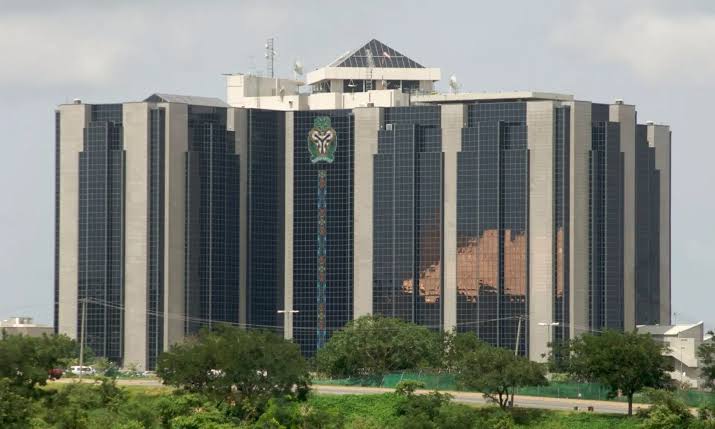

The Central Bank of Nigeria (CBN) intensified its monetary tightening stance at the start of 2026, sterilizing an estimated ₦15 trillion from the financial system in January as part of efforts to curb inflationary pressures and stabilze the foreign exchange market.
Market data and banking sector activity show that the liquidity withdrawal was executed through a combination of Open Market Operations (OMO) sales, Treasury bill issuances, and elevated placements at the Standing Deposit Facility (SDF).
The scale of the intervention underscores the apex bank’s resolve to sustain restrictive monetary conditions despite rising concerns over credit growth and funding costs within the banking sector.
During the month, the CBN mopped up roughly ₦8.5 trillion via OMO auctions, selling short- and medium-term instruments to banks and institutional investors.
At the same time, commercial banks parked approximately ₦2.9 trillion at the SDF, reflecting excess liquidity seeking risk-free returns amid tight market conditions. An additional ₦3.7 trillion was absorbed through primary market Treasury bill auctions, bringing total sterilisation close to ₦15 trillion.
Although maturities from earlier OMO and treasury instruments injected some liquidity back into the system, they were insufficient to offset the aggressive withdrawals, resulting in a net liquidity squeeze across money markets.
The tightening had an immediate impact on short-term interest rates. Interbank lending rates climbed sharply, with overnight and Open Buy Back (OBB) rates trading above 26 per cent at several points in January, signalling increased funding stress among banks.
Market participants reported heightened demand for short-term funding as financial institutions adjusted to thinner cash buffers.
In the fixed-income market, Treasury bill yields remained elevated, supported by strong investor demand. Longer-dated bills attracted particularly robust subscriptions as investors sought to lock in high yields in a volatile macroeconomic environment.
Analysts note that the strong appetite for government securities reflects growing risk aversion and expectations that monetary policy will remain tight for an extended period.
The aggressive sterilisation also serves as a policy signal to financial markets, reinforcing the central bank’s commitment to orthodox monetary discipline.
For banks, the tightening environment has increased funding costs and may constrain loan expansion, particularly to the private sector. While higher yields improve returns on government securities, they also intensify competition for deposits and liquidity.
Looking ahead, market participants expect the CBN to maintain a restrictive stance in the near term, with any easing dependent on clear signs of inflation moderation and improved foreign exchange stability. Attention is now shifting to upcoming Monetary Policy Committee decisions and further liquidity management signals from the apex bank.
The January sterilization marks one of the most aggressive liquidity withdrawals in recent years, setting the tone for monetary conditions in 2026 as Nigeria navigates inflation, currency pressures, and fragile economic recovery.
Read Also: CBN Gives Update on Nigerian Banks’ Recapitalization Compliance










Comments