
CBN Survey Shows 87.5% of Nigerian Fintechs Rely on AI to Fight Fraud
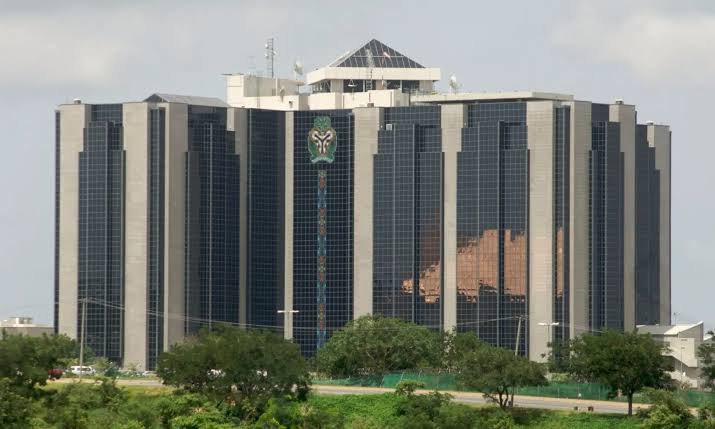

In a striking revelation about the growing role of artificial intelligence (AI) in Nigeria’s digital finance landscape, a recent Central Bank of Nigeria (CBN) report shows that 87.5% of Nigerian fintech companies now deploy AI tools for fraud detection underscoring a major shift in how tech-led financial services are tackling one of their gravest challenges.
Published as part of the Fintech Report 2025 under the apex bank’s Policy Insight Series, the findings are drawn from a nationwide ecosystem survey, stakeholder workshops and roundtable engagements held in 2025. The data highlights that AI adoption in Nigeria’s fintech sector has moved well beyond experimentation, emerging as a core operational priority in risk management and customer support.
AI: A Strategic Response to Fraud Risks
According to the report, fraud especially sophisticated digital financial crime remains a defining threat to fintech operators and financial institutions alike. In 2023 alone, fraud-related losses in the sector were estimated at ₦17.6 billion (about $11.2m), with fintechs featuring prominently in top fraud cases.
To counteract this, roughly nine out of every ten fintech firms surveyed now harness AI-driven systems to identify and block suspicious transactions in real time. These systems employ advanced machine learning models and behavioural analytics to detect anomalies that traditional rule-based systems often miss.
Industry analysts say this adoption reflects a global trend where digital lenders and payments platforms invest heavily in data-led, automated risk frameworks to stay ahead of increasingly sophisticated scam techniques — from automated bots to social engineering schemes.
Beyond Fraud: AI in Fintech Operations
While fraud detection ranks highest, the CBN report also reveals AI’s expanding footprint across other critical fintech functions:
- Customer Service Automation: About 62.5% of fintechs deploy AI-powered chatbots and virtual assistants to manage user queries, transaction issues, and support requests improving responsiveness while controlling operating costs.
- Credit Scoring & Risk Modelling: Roughly 37.5% of companies use AI for smarter credit assessment and risk evaluation, particularly helpful in a market where large segments of the population lack traditional credit histories.
These use cases illustrate how fintechs are combining technology with business strategy leveraging AI not just for threat detection but also for customer engagement and financial inclusion.
Regulatory Views and Industry Challenges
Despite the positive trends, the CBN report points to industry concerns around regulation and technical capacity. A notable share of fintech operators expressed interest in a formal AI-focused regulatory sandbox, signalling demand for clearer policy frameworks and stronger collaboration between innovators and regulators.
At the same time, other segments of the fintech ecosystem have highlighted regulatory delays and unclear guidelines as barriers to growth particularly in licensing and compliance processes.
What This Means for Nigeria’s Financial Ecosystem
The widespread adoption of AI by Nigerian fintechs signals both a proactive stance against fraud and a growing maturity in technology use. As more consumers embrace mobile wallets, lending apps and digital payment solutions, intelligent fraud-fighting systems will be increasingly critical to protect trust, ensure stability and sustain expansion.
Analysts believe that sustaining this momentum will require not just innovation within fintechs but also strengthened regulatory clarity, talent development, and cross-industry cooperation to ensure AI is used ethically and effectively.
With Nigeria’s digital payments ecosystem among the busiest in Africa processing billions of transactions annually the race to embed smart risk controls is not only a competitive edge, but a systemic necessity.
Read Also:












Comments